11 Signs Your Lawn Needs Watering
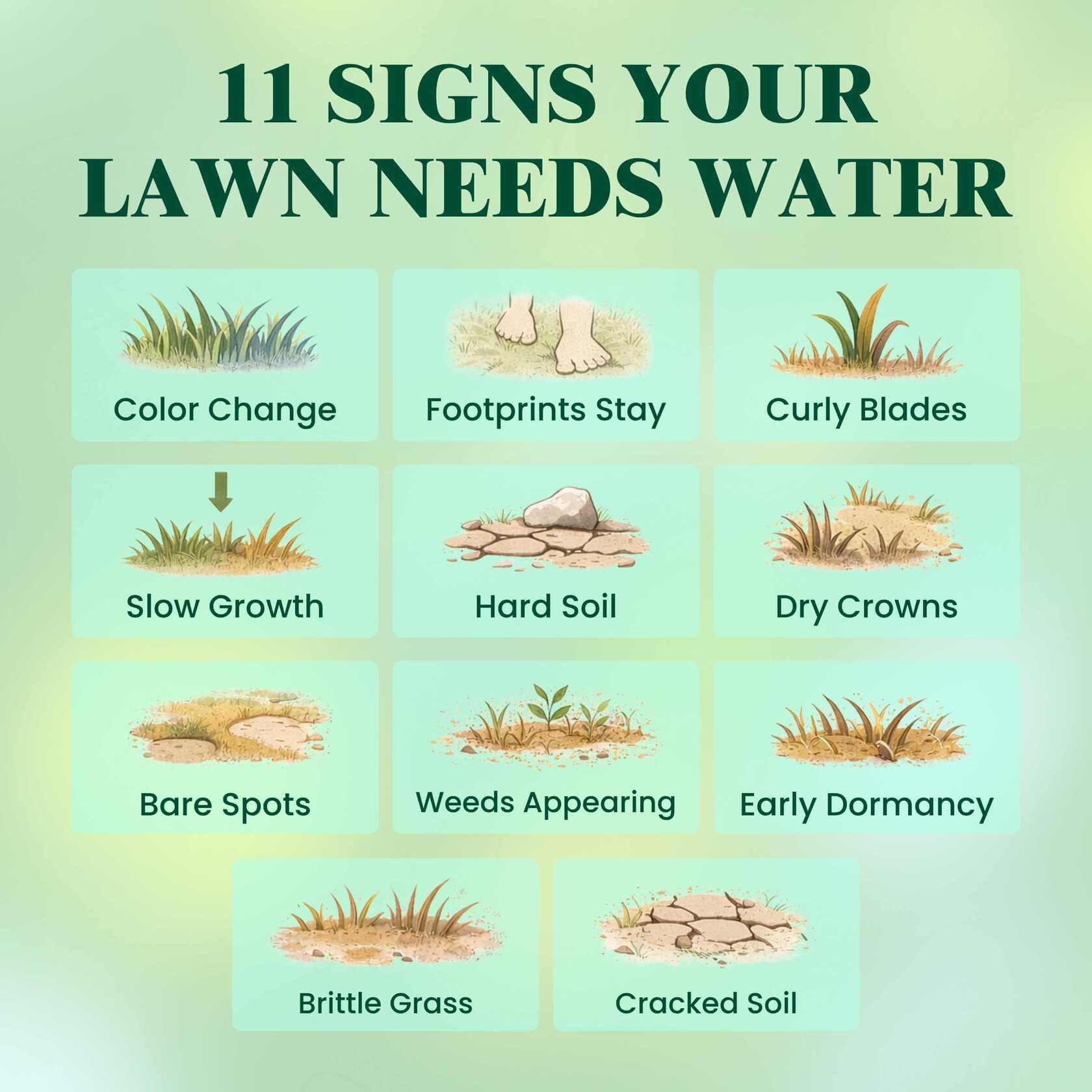
Every lawn is different, and some grass types require more irrigation than others. But how do you know if your lawn is getting enough water? Fortunately, grass gives clear signals when it’s thirsty. Learn to recognize these 11 signs your lawn needs watering so you can catch drought stress early and keep your turf healthy.
Bluish-gray blades, lingering footprints, and slow growth are just a few signs your lawn may need water. After a deep watering, healthy grass should bounce back and return to its normal growth pattern — which may mean scheduling a visit from a lawn care professional to keep it under control.
Common signs your lawn needs water include the following:
1. Grass Turns Bluish-Gray or Yellow
If the grass turns from vibrant green to bluish-gray, bluish-purple, or yellow, it’s often one of the first signs your lawn needs water. When grass lacks moisture, chlorophyll production slows, causing the blades to lose their healthy green color.
Give the lawn a deep watering that soaks the top 4 to 6 inches of soil, and healthy turf should gradually regain its color.
If the grass doesn’t return to its healthy color, this may signal a different problem. Stress from fungal diseases, pests, heat, or compacted soil can also cause discoloration.
If the grass turns tan or brown outside its active growing season, it may have entered dormancy. Cool-season grasses typically go dormant during summer heat or winter cold, while warm-season grasses often enter dormancy in winter or during periods of extreme summer drought.
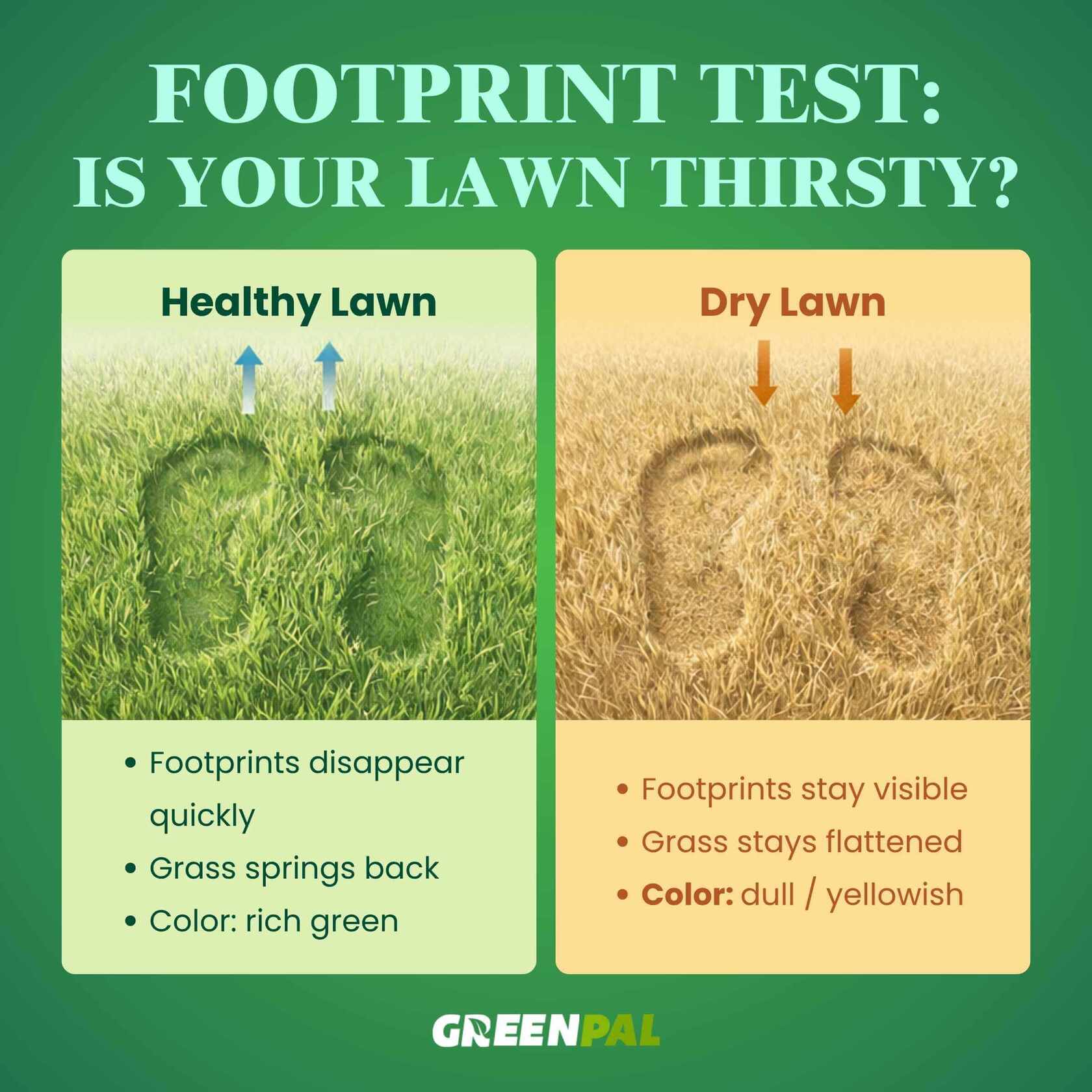
Well-hydrated grass quickly springs back after being stepped on. If your footprints remain visible, it’s a strong sign the grass is losing moisture and may need water.
To test your lawn’s hydration, simply walk across the yard and look behind you. If your footprints linger for several minutes or longer instead of disappearing quickly, it’s likely time to water the lawn.
3. Wilted or Curly Blades
When grass is thirsty, it may curl or wilt as a survival mechanism to conserve water and protect itself from heat or drought stress. Leaves may appear folded in half or rolled lengthwise along the blade, similar to a rolled straw.
A lack of water isn’t the only reason grass blades may curl. Stress from compacted soil, fungal disease, or pests can also cause grass to wilt or curl.
4. Slow Growth
When grass isn’t receiving enough water from rainfall or supplemental irrigation, its growth slows. So if you notice you’re mowing less often during your lawn’s active growing season, your turf may be experiencing drought stress.
Growth patterns depend on the type of grass in your lawn. Warm-season grasses, such as zoysiagrass and bermudagrass, grow most actively from late spring through summer. Cool-season grasses, such as Kentucky bluegrass and tall fescue, grow best in spring and fall.
5. Dry or Hard Soil
Signs of drought stress aren’t always so obvious. If your grass is already brown and curled from dormancy, visual cues can be tricky to spot. In this case, take a close look at the soil to determine whether your lawn needs water.
Push a 4- to 6-inch screwdriver into the soil (avoid testing frozen ground in winter). It should slide in easily if the soil is moist. If it’s hard to insert, the soil is dry and your lawn could use a drink.
6. Yellow or Shriveled Crowns
Another way to check if your dormant lawn is thirsty is to examine the crowns — the base of the grass blades at the soil surface. Pull back the blades to take a look. A healthy, well-hydrated crown is white or cream-colored, while a dry or dehydrated crown may appear yellow or shriveled.
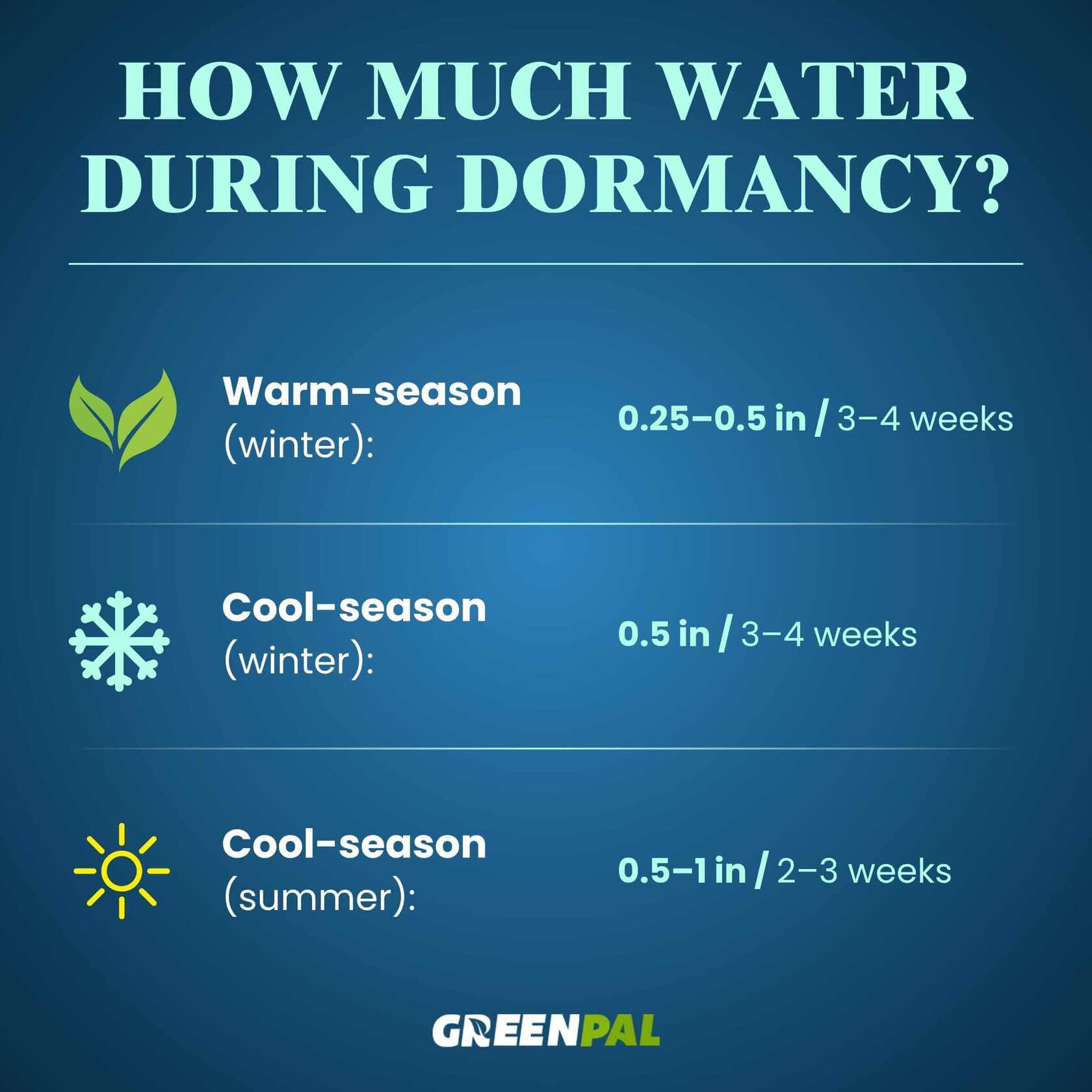
If you notice dryness, follow these watering guidelines:
Warm-season lawns in winter dormancy: Apply 0.25 to 0.5 inches of water every 3 to 4 weeks.
Cool-season lawns in winter dormancy: Apply 0.5 inches of water every 3 to 4 weeks.
Cool-season lawns in summer dormancy: Apply 0.5 to 1 inch of water every 2 to 3 weeks.
7. Bare Spots
Bare spots in your lawn often mean the grass isn’t getting what it needs to thrive, such as nutrients, sunlight, or water.
To repair these patches, water thoroughly and plant grass seed to encourage new growth. For best results, overseed warm-season lawns in late spring or early summer, and cool-season lawns in early spring or fall.
8. Weed Growth
A healthy lawn naturally keeps weeds at bay. If weeds are starting to take over, it may be a sign your lawn isn’t getting enough water or consistent care.
Start by giving your lawn a good watering, then review your year-round lawn care routine to ensure it’s getting the attention it needs. To remove existing weeds, treat them with a post-emergent herbicide or pull them by hand.
9. Early Dormancy
Grass naturally goes dormant during extreme heat or cold, slowing growth to protect itself. However, it can also enter dormancy early as a survival response to extended drought.
If your lawn turns brown or stops growing during its normal growing season, it’s often a sign it isn’t getting enough water.
10. Brittle Grass
If your grass feels crispy or brittle to the touch, it’s in urgent need of water. Dehydrated grass blades collapse and dry out, causing the turf to feel crunchy underfoot.
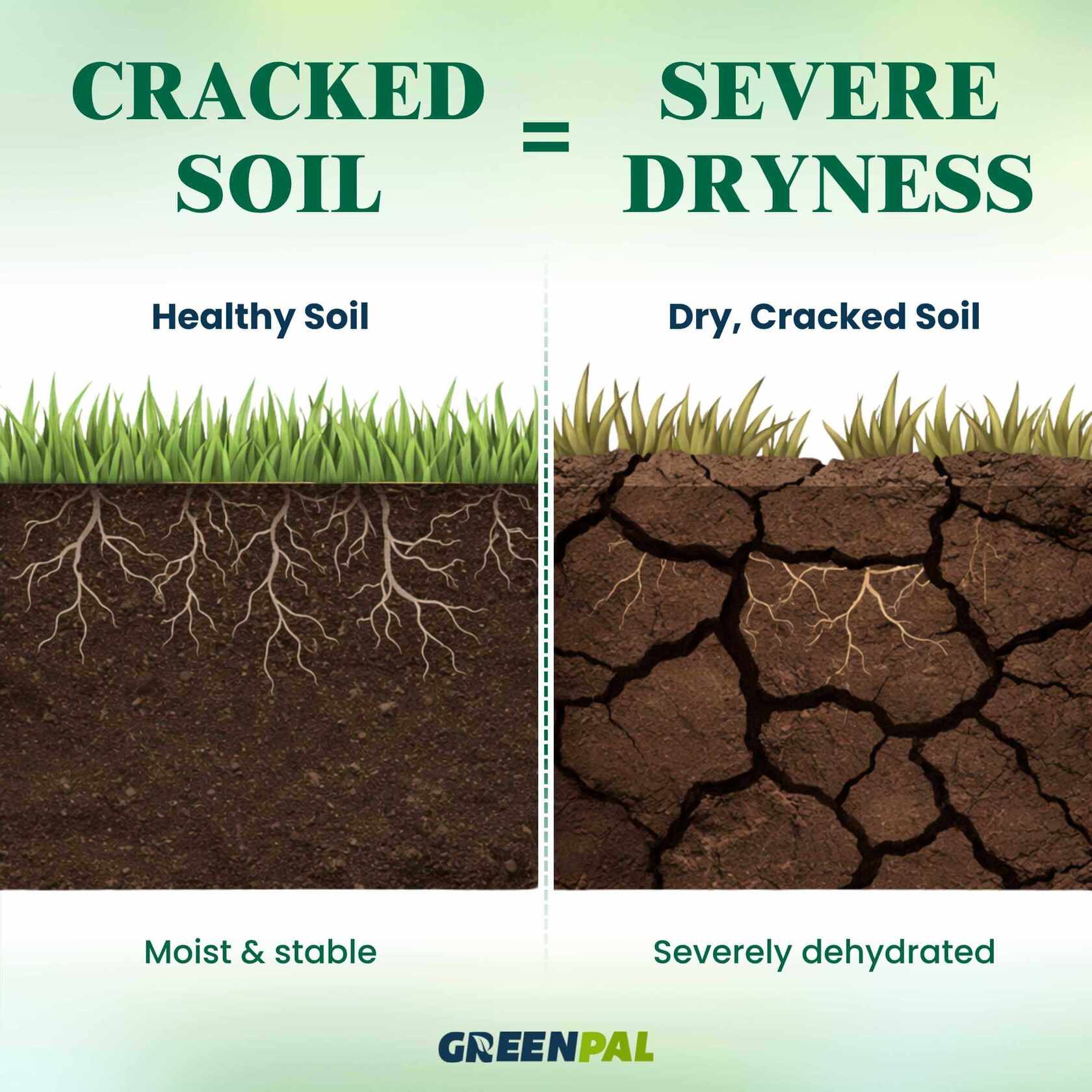
11. Cracked Soil
Lawns with high clay content are prone to cracking when the soil dries and contracts. These cracks often appear in areas exposed to heat, such as near foundations, trees, walkways, or patios. Cracked soil is a clear sign your lawn needs water to prevent stress and damage.
In hot cities like Dallas, prolonged summer drought can cause clay-heavy soils to dry and crack quickly, which is why many homeowners rely on Dallas lawn mowing services to help maintain stressed lawns during extreme heat.
Frequently Asked Questions
How Much Water Does My Lawn Need?
According to turfgrass specialists at university extension programs, most lawns need about 1 to 1.5 inches of water per week during the active growing season, including rainfall.
However, each lawn is different, with some grass types requiring more water than others. Check out our irrigation guide to learn how much water different grasses need to thrive.
What Are the Signs My Lawn Has Too Much Water?
Signs you’ve overwatered the lawn include:
Puddles forming on the lawn
Wilted or yellow grass
Squishy or spongy soil when you walk on the lawn
Pest or fungal infestations
Moss or weed growth
Bare patches caused by poor root development
How Often Should I Water My Lawn?
The general rule of thumb is to water lawns growing in clay or loamy soil once per week and lawns in sandy soil about three times per week. To encourage a healthy root system, it’s better to water your lawn deeply and infrequently rather than in frequent, short sessions.
Give Your Hydrated Lawn TLC
Once your lawn receives the water it needs, signs of drought stress should disappear and the turf should return to its normal growth pattern. That means more frequent mowing during the active growing season. Slap on some sunscreen and bring out the mower, or consider hiring a lawn mowing professional for the job.