Lawn Care Glossary: 83 Common Terms Homeowners Hear From Lawn Pros
If a lawn professional has ever recommended a service and you weren’t sure what it meant, this glossary will help. By learning the following 83 common terms homeowners hear from lawn pros, you’ll better understand your lawn’s health, ask the right questions, and choose the right treatments.
Acidic Soil
Acidic soil is soil with a pH below 7.0. Soil becomes acidic from organic matter decay, nitrogen fertilizer, and rainfall leaching basic elements such as calcium, magnesium, potassium, and sodium. Most turfgrasses prefer a soil pH between 6.5 and 7.0.
Aeration
Aeration is the process of creating small holes in compacted soil so water, oxygen, and nutrients can reach the grass roots.
Alkaline Soil
Alkaline soil is soil with a pH above 7.0. Soil becomes alkaline from dry climates with low rainfall that prevent leaching, over-use of calcium-rich soil amendments like lime, and irrigating with hard water.
Annual Ryegrass
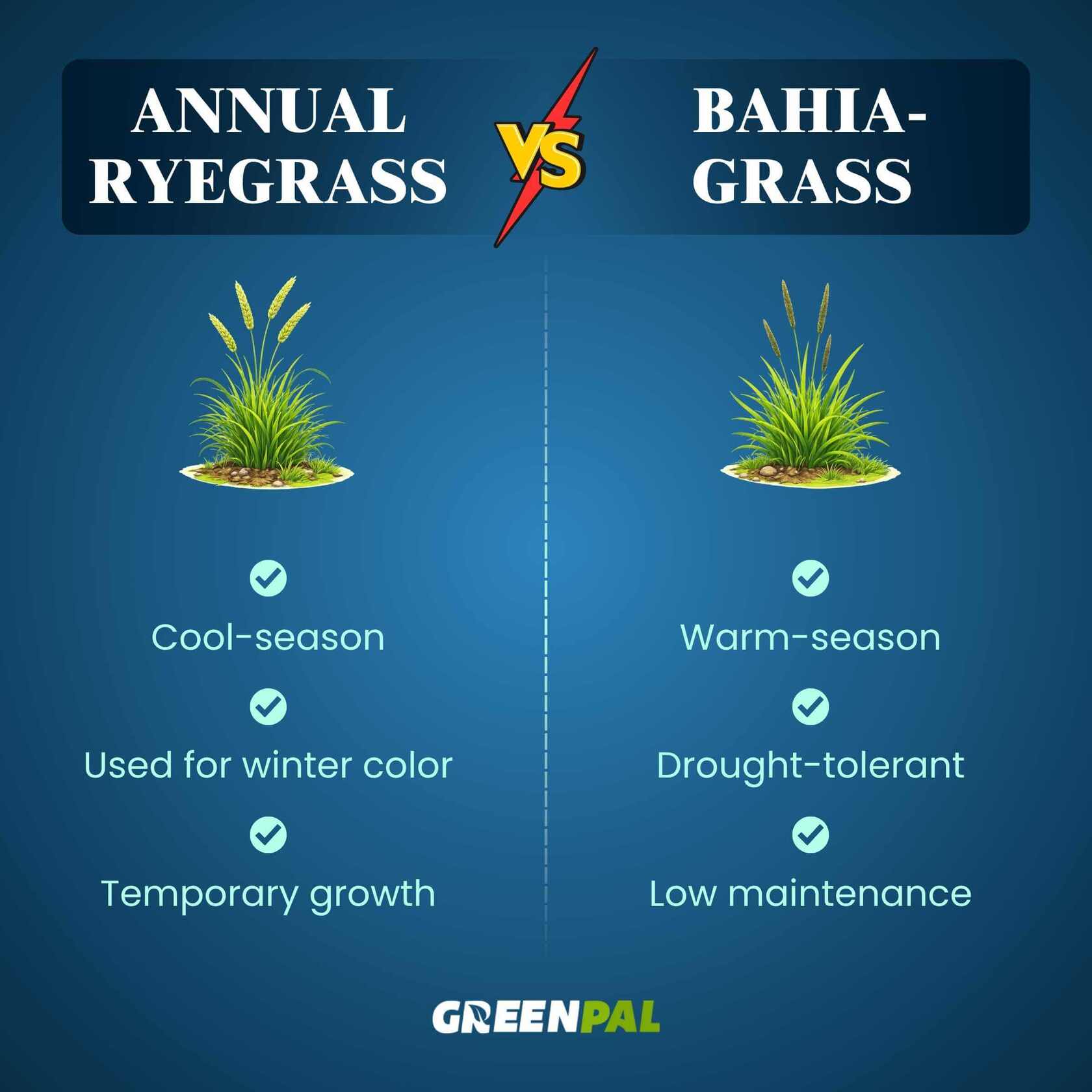
Annual ryegrass is a cool-season grass typically grown as an annual and does not reliably return each year. Homeowners often overseed warm-season lawns with annual ryegrass to maintain green color during winter. It is also commonly used for temporary erosion control.
Bahiagrass
Bahiagrass is a light green, fast-spreading, warm-season grass widely used along roadsides and highways for its drought tolerance and low maintenance requirements.
It’s a popular grass for Florida lawns, especially in Pensacola, where homeowners often rely on Pensacola lawn mowing services to manage the frequent seedheads this grass produces.
Blade Height
Blade height refers to how high off the ground your lawn mower’s blades are. Different grass types have different preferred mowing heights, so you’ll need to adjust the blade height accordingly.
Bermudagrass
Bermudagrass is a warm-season grass popular for its excellent heat, drought, and salt tolerance. It’s commonly used in sports fields, golf courses, and lawns with heavy foot traffic thanks to its wear tolerance and rapid recovery.
Bermudagrass has a creeping, spreading growth habit, and can become an invasive weed in some lawns.
Broadcast Spreader
A broadcast spreader is a gardening tool that evenly spreads dry, granular materials like fertilizer, lime, sulfur, and grass seeds in a fan-like pattern across a large area.
This gardening tool can be operated by pushing it from behind manually (similar to a push mower) or towing it behind a riding mower or ATV.
Brown Patch
Brown patch is a common fungal lawn disease that causes circular brown patches in turfgrass during hot, humid weather. Its symptoms include brown, tan, orange, or yellow patches ranging between a few inches to several feet in diameter.
Buffalograss
Buffalograss is a drought-tolerant, low-maintenance warm-season grass. This grey-green, blue-green grass can survive extended periods of drought and has low watering requirements.
Because of buffalograss’s low density, this turf is often susceptible to invasive weeds.
Centipedegrass
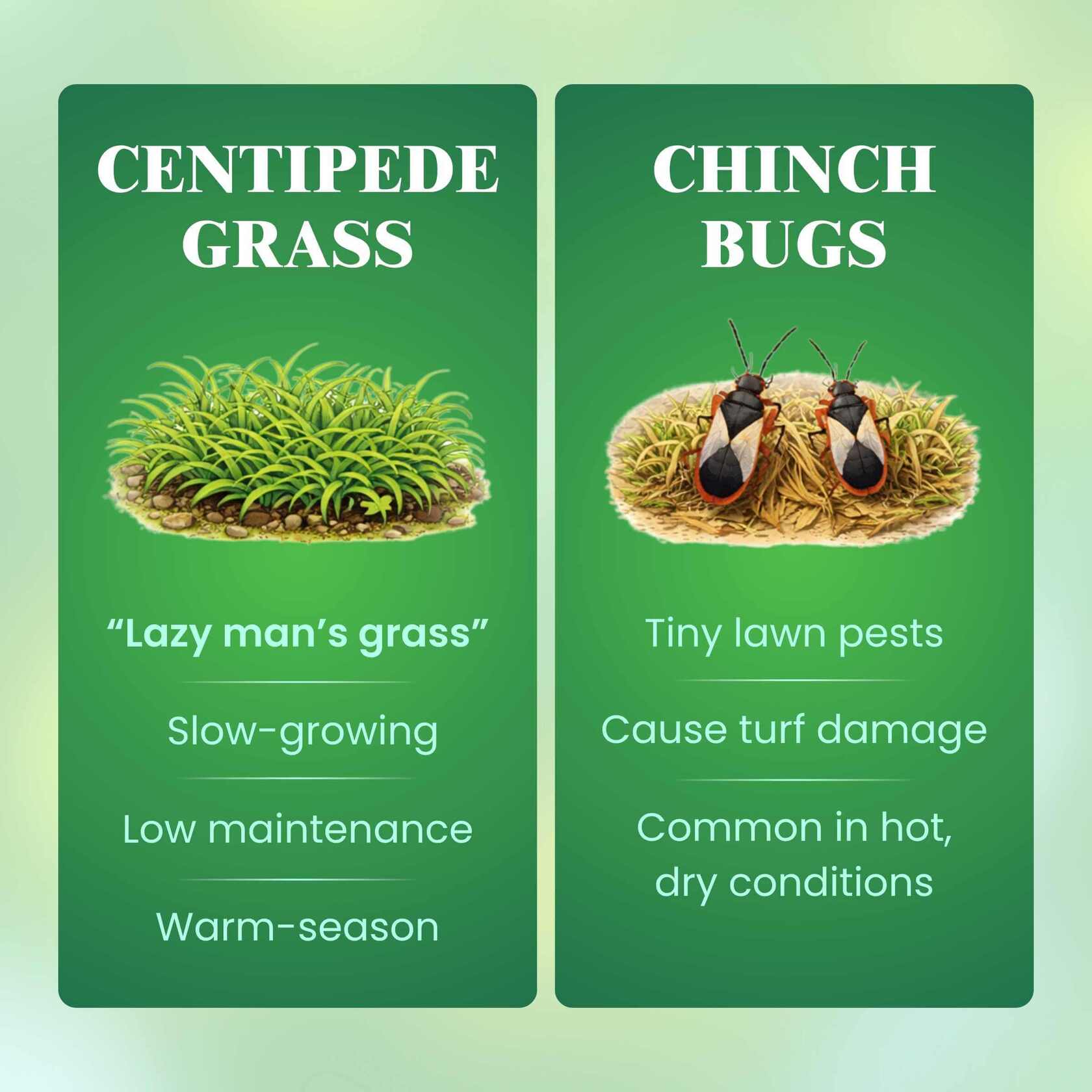
Often called “lazy man’s grass,” centipedegrass is a slow-growing, low-maintenance, light green warm-season grass that thrives in acidic, low-fertility soils.
Chinch Bugs
Chinch bugs are tiny, sap-sucking insects that cause turfgrass to brown and develop dead patches by feeding on plant juices and injecting a toxin. While they are the primary pest of St. Augustinegrass, they can invade several other cool- and warm-season grasses under hot, dry, sunny, and thick-thatch conditions.
Clay Soil
Clay soil is a dense, heavy soil type that is known for its high moisture retention, poor drainage, and frequent soil compaction. It’s sticky when wet, and becomes rock-hard when dry.
Clover
Clover is a low-growing, mat-forming plant that often occurs as a weed in the lawn or is grown as an eco-friendly lawn alternative. Clover lawns are low-maintenance, requiring little to no fertilizer, minimal mowing, and less water than traditional turfgrass lawns.
Compacted Soil
Compacted soil is soil that has been compressed and hardened over time, preventing grass roots from expanding and accessing oxygen, nutrients, and water. The most effective way to relieve soil compaction in lawns is through core aeration.
Compost
Compost is nutrient-rich, decayed organic matter created by decomposing yard waste (such as grass clippings), food scraps, and other organic plant materials. Compost can act as an organic, slow-release fertilizer or soil amendment for the lawn and garden.
Cool-Season Grass
Cool-season grass describes a group of grasses that actively grow in the cool temperatures of spring and fall. Commonly grown throughout the northern United States, cool-season grasses include tall fescue, fine fescue, Kentucky bluegrass, perennial ryegrass, and annual ryegrass.
Cooperative Extension
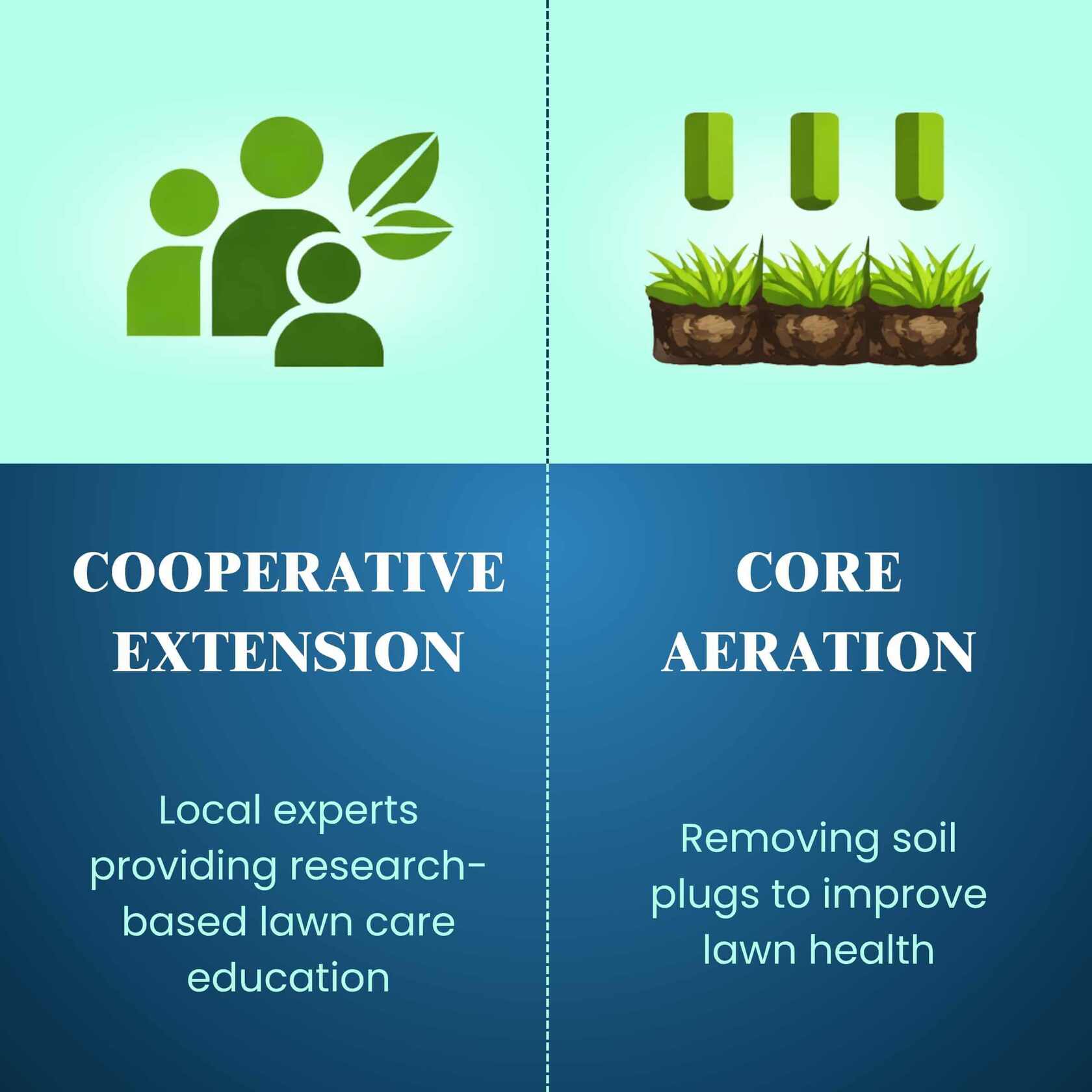
A cooperative extension is best described as a local network of educators, researchers, and agents who educate the public on research-based information that improves the community.
Many cooperative extensions include an agricultural department, often affiliated with local universities, that educates the public on gardening, farming, and lawn care.
Core Aeration
Core aeration is a lawn care method that removes small plugs of soil from the ground to relieve soil compaction and improve root growth. Core aeration is typically the recommended soil aeration method and is not to be confused with spike aeration.
Crabgrass
Crabgrass is a highly competitive annual weed that grows in dry, thin lawns. It grows low to the ground, with its foliage extending out like crab legs.
It germinates in spring and thrives throughout summertime. The best way to manage crabgrass is to apply a pre-emergent herbicide in early spring.
Dandelions
Widely considered a weed, dandelions are recognized for their bright yellow flowers that eventually fade to white, puffy seed heads that disperse in the wind.
Dandelions are edible and can be used in salads, teas, and coffee substitutes.
Dethatching
Dethatching is the process of removing thatch from the lawn to allow fertilizer, oxygen, and water to penetrate the soil. Dethatch the lawn when the thatch layer exceeds one-half inch thick.
Dollar Spot
Dollar spot is a fungal lawn disease appearing as small, tan patches 1 to 3 inches in diameter, approximately the size of a silver-dollar. The disease often exhibits white, web-like mycelium in the early morning dew.
Dormancy
Dormancy is a lawn’s natural survival mechanism that occurs in response to extreme heat, cold, or drought. Although the grass turns brown or tan and may appear dead, the roots and crown remain alive, allowing the grass to recover when favorable conditions return.
Drainage
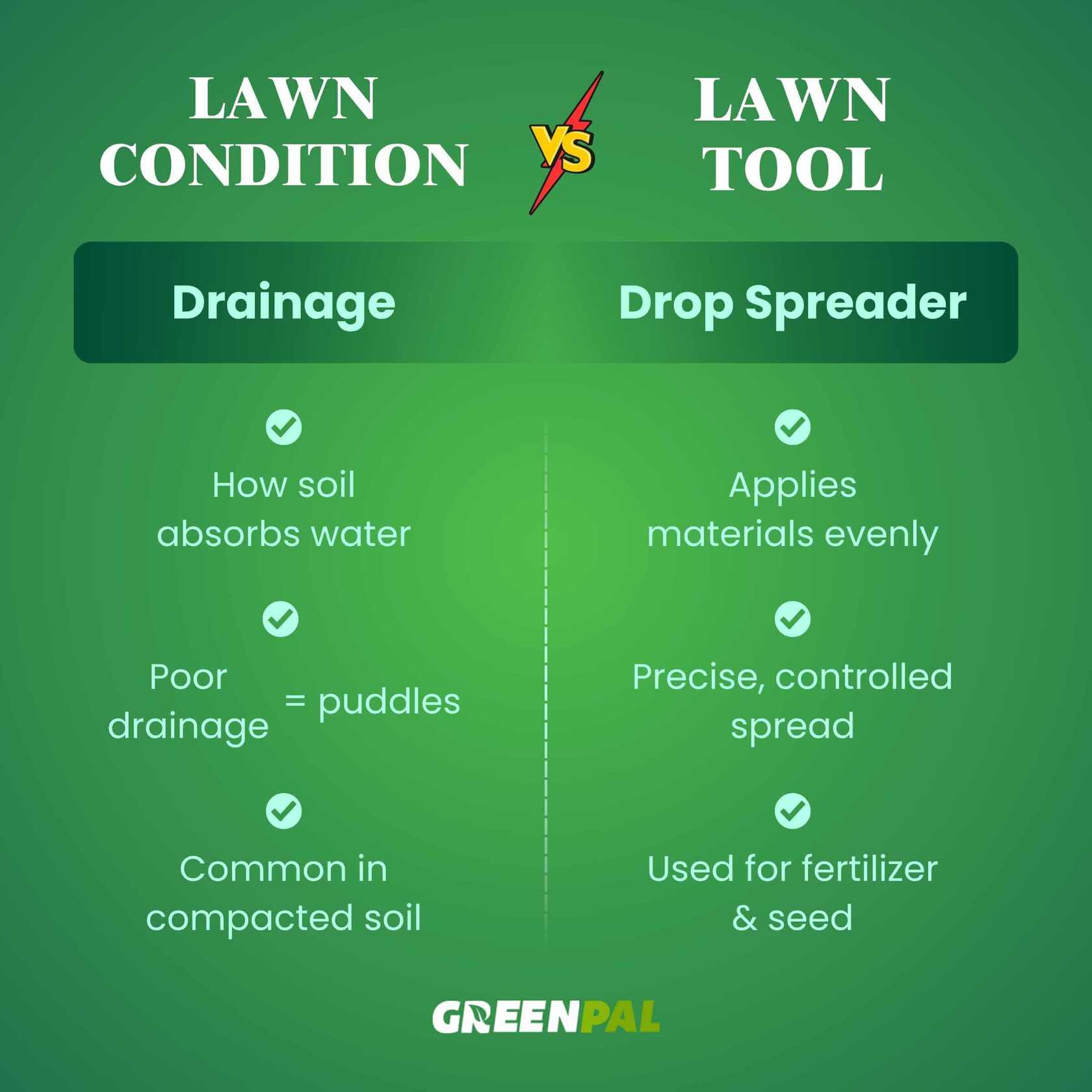
Drainage refers to how well your lawn’s soil absorbs and moves water. Clay soils, for example, drain much more slowly than sandy or loamy soils. Signs of poor drainage include a soggy lawn or standing puddles, which often indicate compacted soil that may need aeration.
Drop Spreader
A drop spreader is a lawn tool that deposits granular materials directly beneath the spreader for a precise and even application. It is commonly used to apply fertilizer, lime, sulfur, or grass seed. Unlike a broadcast spreader, it does not spread material in a fan-like pattern across a wide area.
Edging
Landscape edging is a landscaping technique that creates a clean boundary between turfgrass and features like garden beds, sidewalks, or driveways, using a trench or decorative materials such as bricks, pavers, or rocks. Consult with a landscaping professional to determine the right edging style for your yard.
Fast-Release Fertilizer
Fast-release (or quick-release) fertilizer is designed to dissolve rapidly in the soil and provide your lawn with immediate access to nutritional plant food.
While fast-release fertilizer may quickly grant your lawn a flush of color, there is an increased risk of runoff and burning the turf from overapplication.
Fertilizer
Fertilizer is any natural or synthetic substance applied to plants to supply nutrients for growth. Nitrogen, phosphorus, and potassium are the essential plant nutrients most often found in fertilizer. Learn more about fertilizer.
Fine Fescue
While often referred to as a single cool-season grass, fine fescue is actually a group of five grasses: strong creeping red fescue, slender creeping red fescue, Chewings fescue, hard fescue, and sheep fescue.
Fine fescues are shade and drought tolerant and have thin, bristle-like blades.
Fire Ants
Most common in the southeastern United States, fire ants are aggressive, invasive insects known for their large mounds and venomous sting. When their nest is disturbed, the colony attacks as a large swarm, making them a nuisance pest in the lawn.
Fungicide
A fungicide is a type of pesticide used to kill, prevent, or inhibit the growth of fungi. These products are a great help in lawns, sports fields, and landscapes that struggle from fungal disease like brown patch and dollar spot.
Granular Fertilizer
Granular fertilizer is a dry fertilizer that releases nutrients slowly and is typically applied with a broadcast spreader, unlike liquid fertilizers that provide quick-release nutrients.
Grass Clippings
Grass clippings are the cut tips of grass blades left on the lawn after mowing. They can be bagged for composting or left on the lawn to act as a natural fertilizer and mulch.
Grubs
Grubs, often called white grubs, are C-shaped larvae of scarab beetles, such as Japanese beetles or June bugs. Living in the soil and chewing away at the grass roots, these highly destructive pests can cause the lawn and its severed roots to lift up like a carpet.
Learn more about grubs in the lawn.
Herbicide
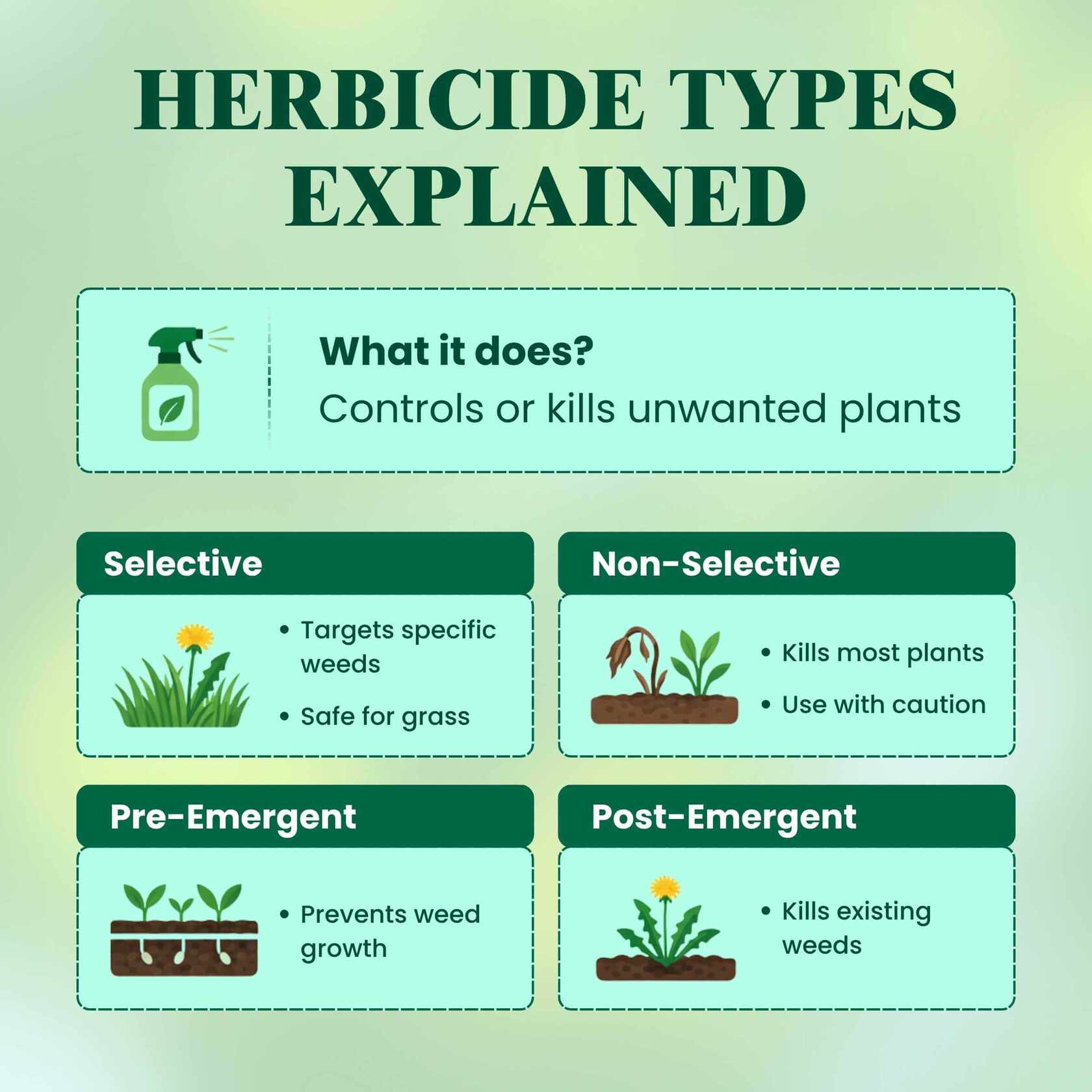
An herbicide is any natural or synthetic substance used to kill, prevent, or inhibit the growth of unwanted plants.
Selective herbicides are designed to target specific types of unwanted plants while leaving desirable plants unharmed. Non-selective herbicides, often referred to as broad-spectrum herbicides, do not target specific weeds and will kill or damage nearly every plant it comes in contact with.
Pre-emergent herbicide is applied to the soil to prevent weed seeds from germinating, while post-emergent herbicide is applied to destroy existing weeds.
Check out our guide on chemical-free weed control.
Inorganic Fertilizer
Inorganic fertilizer contains mineral-based nutrients that are typically manufactured through industrial processes or mined from natural deposits rather than derived from plant or animal materials.
Inorganic Pesticides
In lawn care, inorganic pesticides are synthetic or human-made, as opposed to naturally occurring or plant-based substances. While the term technically refers to pesticides that are not carbon-based, it is usually used to distinguish manufactured chemicals from natural ones.
Integrated Pest Management
Integrated Pest Management is an on-going, sustainable approach to pest control that combines biological, physical, cultural, and chemical treatments to prevent pest problems from occurring.
Following a healthy lawn care routine is the best way to practice Integrated Pest Management to prevent common lawn pests from infesting your yard.
Irrigation
Irrigation is the application of supplemental water to land or crops, with sprinklers being the most common irrigation system used for lawns. Learn more about how to water the lawn.
Kentucky Bluegrass
Kentucky bluegrass is a cool-season grass popular for its dark green color, soft texture, and high wear tolerance. This high-maintenance turf requires lots of fertilizing, water, and dethatching.
Lime
Lime is a soil amendment added to the lawn to help raise the soil’s pH level and lower its acidity.
Liquid Fertilizer
Liquid fertilizer is a nutrient-dense, fast-release fertilizer that provides an immediate boost of nutrients for the lawn. This fast-acting plant food provides nutrients for immediate absorption and is typically available as a concentrated liquid or water-soluble powder
Loamy Soil
Loamy soil is the ideal soil type for lawns and gardens, containing a mixture of clay, silt, and sand in relatively equal amounts.
Mowing
Mowing is the process of cutting, trimming, or shortening turfgrass with a lawn mower. Many homeowners rely on hiring a lawn care professional for the job.
Mulch
Mulch is any organic or inorganic substance spread over soil to retain moisture, suppress weeds, regulate soil temperature, and prevent erosion. Grass clippings and a light compost layer are common mulches for turfgrass. Learn more about how mulch works.
Nitrogen
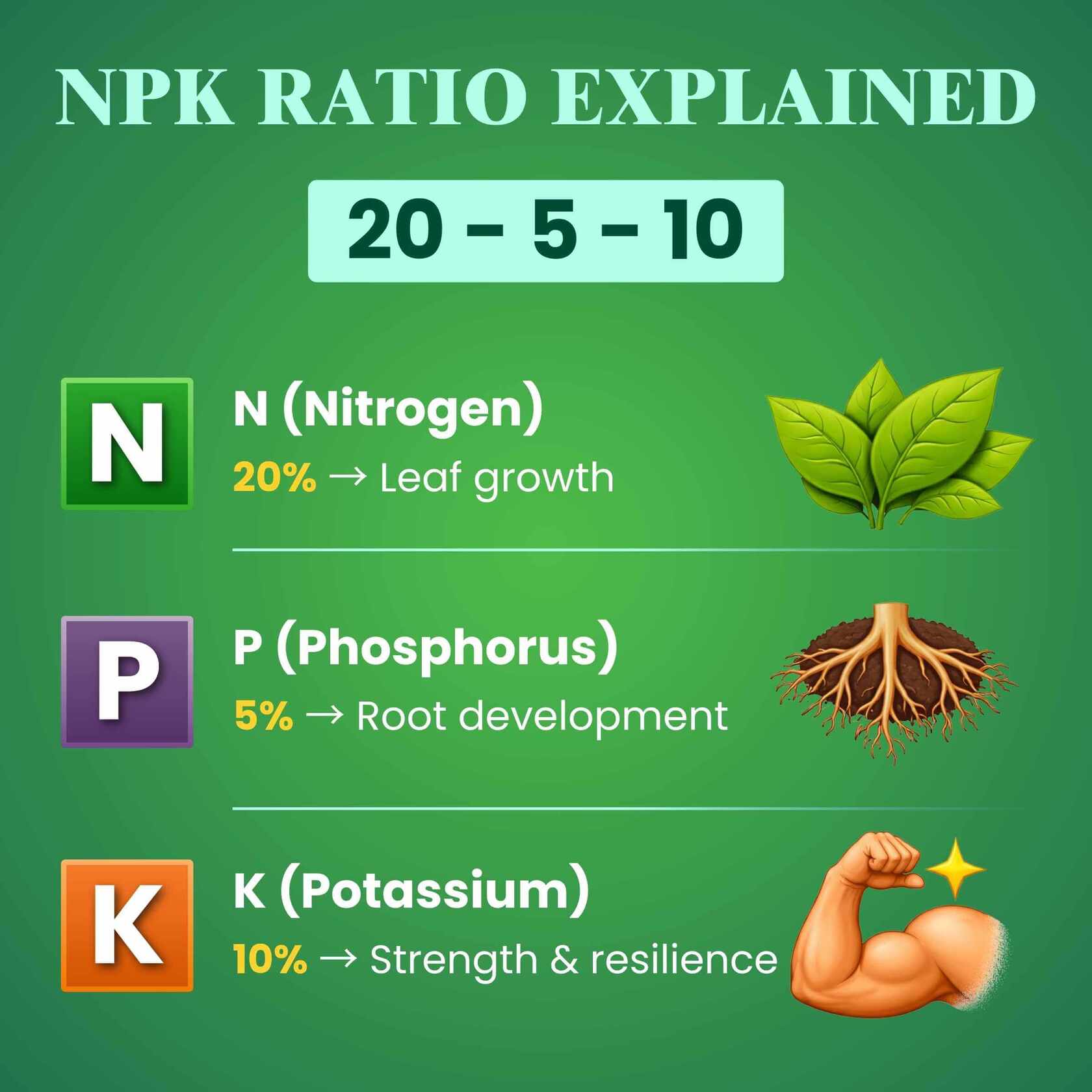
Often available in synthetic lawn fertilizers, nitrogen promotes chlorophyll production and vigorous turf growth. It is one of three essential nutrients for the lawn.
NPK Ratio
NPK ratio is the percentage of nitrogen (N), phosphorus (P), and potassium (K) in lawn fertilizers. These three essential nutrients are typically shown as a three-digit number on fertilizer packaging.
For example, if a fertilizer has an NPK ratio of 20-5-10, then the fertilizer is 20% nitrogen, 5% phosphorus, and 10% potassium. Learn more about NPK ratios.
Nutsedge
Nutsedge is a perennial weed that thrives in poorly drained soils and is often identified by its light green color and upright, V-shaped stems. It spreads via underground rhizomes and tubers known as nutlets. These tubers often remain in the soil when nutsedge is handpulled, making the persistent weed difficult to get rid of.
Organic Matter
Organic matter for lawns is plant or animal material, such as grass clippings, compost, or manure, that improves soil structure, enhances biological activity, aids water drainage and root growth, and improves aeration and texture in clay or sandy soils.
Organic Fertilizer
Organic fertilizers are made from natural plant or animal materials and usually contain lower levels of nitrogen, phosphorus, and potassium than synthetic fertilizers.
Common organic lawn fertilizers include grass clippings, compost, blood meal, and bone meal.
Organic Pesticides
Organic pesticides in lawn care are pest control products derived from natural sources rather than synthetic chemicals. From a chemistry standpoint, however, organic pesticides are generally carbon-based.
Overseeding
Overseeding is the process of spreading grass seed over an existing lawn to thicken the turf and fill in bare spots. Learn more about how to overseed.
Perennial Ryegrass
Perennial ryegrass is a cool-season grass often included in seed mixtures containing tall fescue or Kentucky bluegrass. This low heat- and drought-tolerant grass is often used for overseeding warm-season grass to provide temporary green color in winter.
Pesticides
Pesticides are substances used to kill, prevent, repel, or mitigate pests, including rodents, weeds, fungi, insects, and arachnids.
Herbicides, fungicides, insecticides, arachnicides, and rodenticides are types of pesticides.
Pests
Pests are any living organism that causes harm, damage, or annoyance to humans, livestock, crops, or structures. Examples include unwanted insects, rodents, fungi, molds, ticks, and microbes.
pH Level
Soil pH level measures how acidic or alkaline the soil is. Most lawns thrive at a pH between 6.5 and 7.0, and soil outside this range can make it difficult for grass roots to absorb nutrients.
Phosphorus
One of three essential nutrients for the lawn, phosphorus promotes strong root development and helps repair damaged turf.
Organic fertilizers high in phosphorus include bone meal and fish bone meal.
Potassium
Potassium strengthens cell walls, making the grass resilient against drought, stress, and extreme temperatures. It is one of the three vital nutrients for the lawn.
Organic fertilizers rich in potassium include kelp meal, langbeinite, and wood ash.
Reseeding
Reseeding involves removing damaged or dead grass and applying new grass seed from scratch.
Root Zone
The lawn’s root zone is the layer of soil where grass roots grow and function, absorbing water, oxygen, and nutrients needed for healthy growth.
Runoff
Runoff is water that does not soak into the ground, but instead flows into nearby waterways, streams, and ponds. Runoff often picks up pollutants along the way, like oil, fertilizer, or pesticides, causing water pollution as a result.
Rust
Rust on the lawn is a fungal disease that develops as yellow, orange, or reddish-brown powdery spores on turfgrass suffering from drought stress, compacted soil, or low nitrogen levels. These spores often leave a dusty residue on shoes and lawn equipment.
Sandy Soil
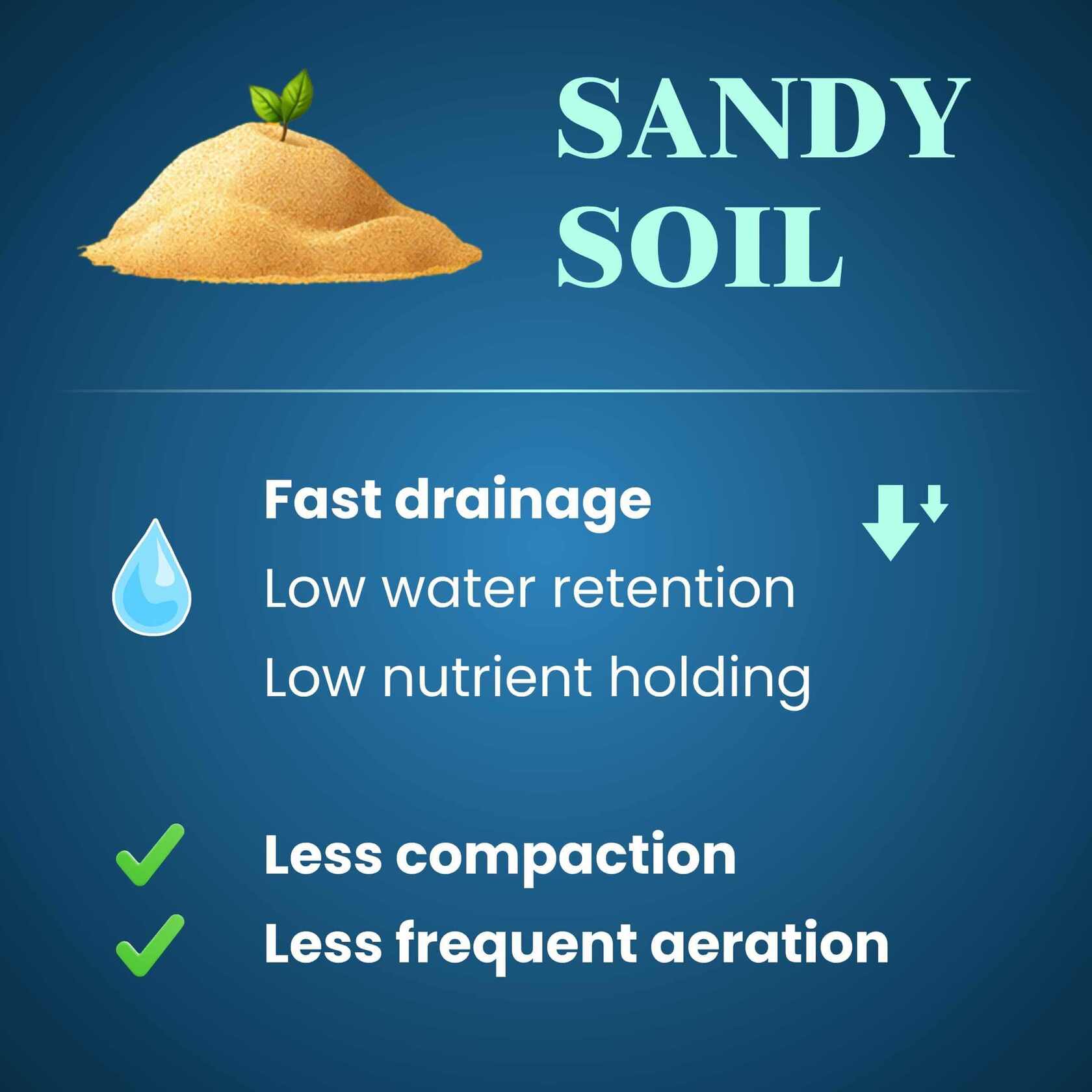
Sandy soil is soil that contains a high amount of sand particles. It drains quickly and does not retain moisture or nutrients as well as clay soil.
Less prone to compaction, sandy soils may require aeration less frequently than clay soils.
Scalping
Scalping is the process of cutting grass very short, often down to ground level, which can stress lawns, causing thinning, stunted growth, and increased weeds.
Slow-Release Fertilizer
Usually available as dry granules, slow-release fertilizer is designed to release nutrients slowly over a long period of time, typically weeks or months, rather than all at once.
Snow Mold
Snow mold is a fungal disease that often appears as gray, white, or pink matted patches in the lawn after the snow melts away in spring. It thrives in wet conditions, often hiding beneath slow-melting snow or winter debris. Learn more about snow mold.
Sod Webworms
Sod webworms are a pest that cause significant damage to turfgrass by feeding on the grass at night and hiding in burrows in the thatch during the day. The grass may appear scalped or like the grass blades have been chewed away.
Soil Amendment
Soil amendments are organic or inorganic materials added to soil to improve physical properties like structure, aeration, drainage, moisture retention, and pH balance.
Soil Sample
A soil sample is soil collected from a specific part of the lawn for soil testing.
Soil Test
A soil test reveals several factors about the lawn’s soil, including its:
Soil type (clay, sandy, loamy, or silt)
pH level (alkaline or acidic)
Nutrient deficiencies
Organic matter levels
At-home soil test kits are available for purchase, however, these DIY tests typically don’t provide a comprehensive maintenance plan catered to your specific lawn. To receive detailed instructions on how to care for your lawn’s unique ecosystem, send a soil sample to your local cooperative extension for laboratory testing.
Soil Type
Soil type is the classification of soil based on the proportion of sand, silt, and clay particles it contains. These particle sizes influence the soil’s drainage, moisture retention, aeration, and its ability to support a healthy lawn.
Spike Aeration
Spike aeration is a lawn aeration method that creates holes by pushing soil into the ground, rather than removing plugs like core aeration. It is generally not recommended because this process can further compact the surrounding soil.
Starter Fertilizer
Starter fertilizer is often applied to new grass seed or sod to encourage rapid root development and usually contains high amounts of phosphorus.
St. Augustinegrass
St. Augustinegrass is a blue-green warm-season grass popular for its thick, carpet-like appearance and wide grass blades. This high maintenance turfgrass often requires lots of watering, and is highly susceptible to chinch bugs.
Sulfur
Sulfur is added to the lawn as a soil amendment to help lower the soil’s pH level and increase its acidity.
Tall Fescue
Tall fescue is a cool-season grass that tolerates heat better than other cool-season grasses. It can remain attractive in summer under certain conditions, has a deep root system that provides excellent erosion control, and tolerates drought.
Thatch
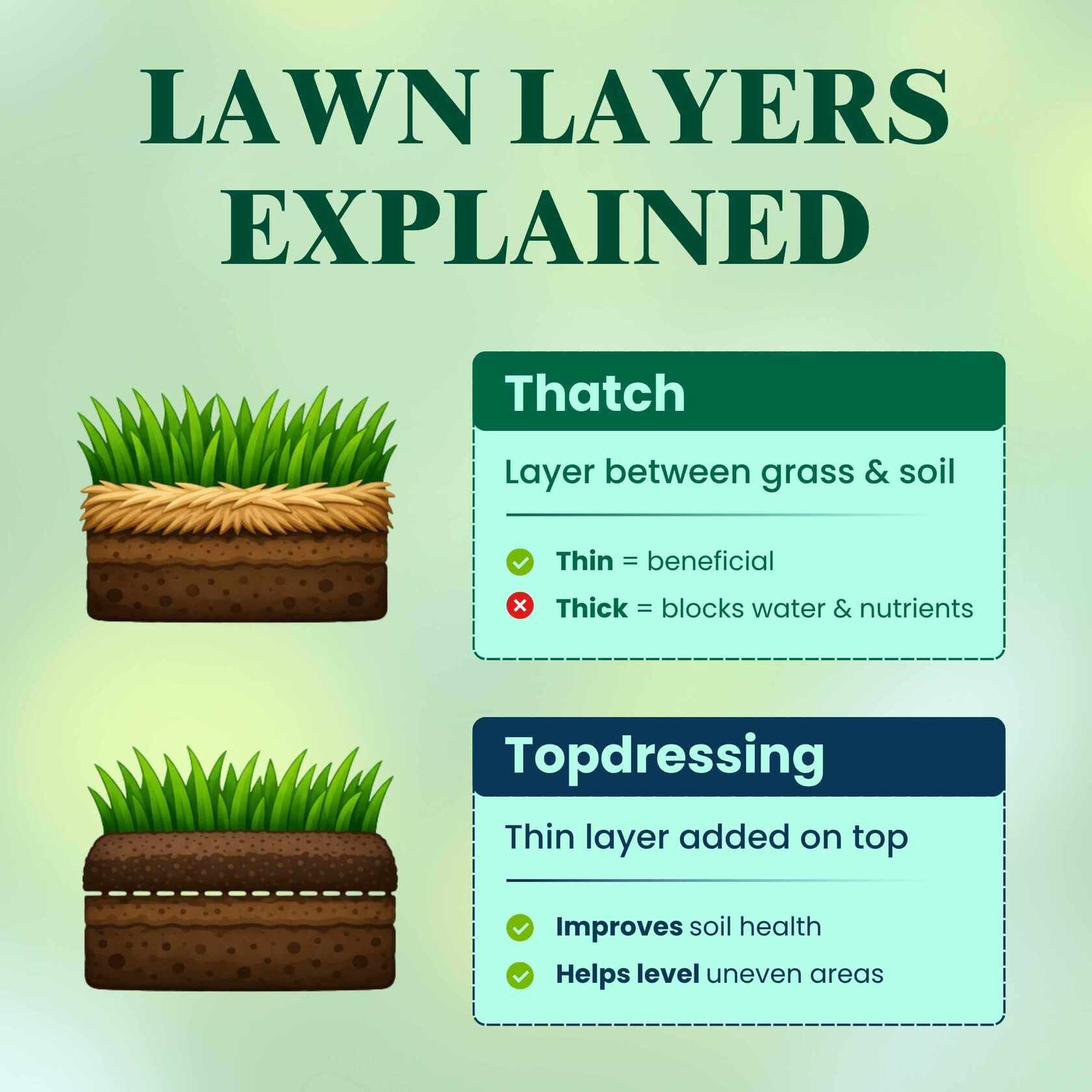
Thatch is the layer of living and dead organic material that accumulates between the grass blades and the soil surface in a lawn. A thin layer of thatch can act as a protective layer of mulch, but thatch that exceeds one-half inch thick can attract pests and block nutrients, water, and oxygen from accessing the roots.
Topdressing
Topdressing is the application of a thin layer of soil or organic matter over the lawn to improve the soil’s health or balance uneven terrain.
Turfgrass
Turfgrass refers to grass species that grow together to form a dense ground cover, commonly used for lawns, athletic fields, parks, and golf courses.
Warm-Season Grass
Warm-season grass describes a group of grasses that actively grow in the warm temperatures of late spring and summer. Commonly grown throughout the southern United States, warm-season grasses include bermudagrass, zoysiagrass, bahiagrass, buffalograss, centipedegrass, and St. Augustinegrass.
Here’s how to care for warm-season grass.
Weeds
Weeds in the lawn are any unwanted plants that compete with your grass for nutrients, water, space, and sunlight. Common lawn weeds include crabgrass, dandelions, nutsedge, chickweed, and henbit.
Zoysiagrass
Zoysiagrass is a low-maintenance, warm-season grass known for its drought tolerance, dense growth, and wear resistance. It prefers full sun but can tolerate partial shade better than bermudagrass, though bermudagrass recovers from wear faster.
Hire a Lawn Care Professional
Now that you’re familiar with common lawn care terms, you’ll better understand what your grass needs and how to talk with lawn professionals about the right treatments.
From aerating compacted soil to choosing fertilizer based on the NPK ratio, understanding these terms makes it easier to keep your lawn healthy year-round and recognize when it’s time to hire a lawn care professional for help.