


One-Time Cuts
Great for anyone looking to take a break from mowing their lawn.

Get Started With Free Quotes

Book your grass cutting in 60 seconds





 Get Free Lawn Quote in 30 Seconds
Let AI estimate your lawn care price based on local data
Fast, Easy, & Free Quotes

Enter Your Details

Choose a Pro


Book Your Appointment

v1 Lawn Services in Hillside, NJ
Hillside has been the home of Trains were manufactured from 1929 to 1974 at a factory located in Hillside that employed as many as 2,000 employees.The town thrived for decades and reached an economic peak in the 1960s. Blue collar workers who lived primarily in the central part of town were employed in local manufacturing concerns. White collar workers established the neighborhood known as Westminster where Yankee shortstop and broadcaster Phil lived for most of his adult life, until his death. That section of town also included the private school for boys (which left the township) and is now the East Campus of University.
In the 1950s and 1960s the township was approximately one-half Jewish, many of whom lived either in Westminster or in the area of Hillside near Chancellor Avenue, adjacent to the section of Newark, which was the early home of comedian (Portnoy's Complaint).
In the early 1950s the township established Conant Park, its largest. The park is bounded by the Elizabeth River and Conant Street. At the rear area of the park near Pingry School was the boundary of the Kean Estate, the boyhood home of Governor (1982–1990). The wealthy Kean family also donated the land on Morris Avenue and helped to establish Newark Normal College in 1885, which was renamed Kean College, and later, in the family's honor. Also in the 1950s the Town Hall, Police Headquarters and Municipal Library were constructed at the corner of Liberty and Hillside Avenues.
Hillside has been the home of Trains were manufactured from 1929 to 1974 at a factory located in Hillside that employed as many as 2,000 employees.The town thrived for decades and reached an economic peak in the 1960s. Blue collar workers who lived primarily in the central part of town were employed in local manufacturing concerns. White collar workers established the neighborhood known as Westminster where Yankee shortstop and broadcaster Phil lived for most of his adult life, until his death. That section of town also included the private school for boys (which left the township) and is now the East Campus of University.
In the 1950s and 1960s the township was approximately one-half Jewish, many of whom lived either in Westminster or in the area of Hillside near Chancellor Avenue, adjacent to the section of Newark, which was the early home of comedian (Portnoy's Complaint).
In the early 1950s the township established Conant Park, its largest. The park is bounded by the Elizabeth River and Conant Street. At the rear area of the park near Pingry School was the boundary of the Kean Estate, the boyhood home of Governor (1982–1990). The wealthy Kean family also donated the land on Morris Avenue and helped to establish Newark Normal College in 1885, which was renamed Kean College, and later, in the family's honor. Also in the 1950s the Town Hall, Police Headquarters and Municipal Library were constructed at the corner of Liberty and Hillside Avenues.
Hillside has been the home of Trains were manufactured from 1929 to 1974 at a factory located in Hillside that employed as many as 2,000 employees.The town thrived for decades and reached an economic peak in the 1960s. Blue collar workers who lived primarily in the central part of town were employed in local manufacturing concerns. White collar workers established the neighborhood known as Westminster where Yankee shortstop and broadcaster Phil lived for most of his adult life, until his death. That section of town also included the private school for boys (which left the township) and is now the East Campus of University.
In the 1950s and 1960s the township was approximately one-half Jewish, many of whom lived either in Westminster or in the area of Hillside near Chancellor Avenue, adjacent to the section of Newark, which was the early home of comedian (Portnoy's Complaint).
In the early 1950s the township established Conant Park, its largest. The park is bounded by the Elizabeth River and Conant Street. At the rear area of the park near Pingry School was the boundary of the Kean Estate, the boyhood home of Governor (1982–1990). The wealthy Kean family also donated the land on Morris Avenue and helped to establish Newark Normal College in 1885, which was renamed Kean College, and later, in the family's honor. Also in the 1950s the Town Hall, Police Headquarters and Municipal Library were constructed at the corner of Liberty and Hillside Avenues.
Hillside has been the home of Trains were manufactured from 1929 to 1974 at a factory located in Hillside that employed as many as 2,000 employees.The town thrived for decades and reached an economic peak in the 1960s. Blue collar workers who lived primarily in the central part of town were employed in local manufacturing concerns. White collar workers established the neighborhood known as Westminster where Yankee shortstop and broadcaster Phil lived for most of his adult life, until his death. That section of town also included the private school for boys (which left the township) and is now the East Campus of University.
In the 1950s and 1960s the township was approximately one-half Jewish, many of whom lived either in Westminster or in the area of Hillside near Chancellor Avenue, adjacent to the section of Newark, which was the early home of comedian (Portnoy's Complaint).
In the early 1950s the township established Conant Park, its largest. The park is bounded by the Elizabeth River and Conant Street. At the rear area of the park near Pingry School was the boundary of the Kean Estate, the boyhood home of Governor (1982–1990). The wealthy Kean family also donated the land on Morris Avenue and helped to establish Newark Normal College in 1885, which was renamed Kean College, and later, in the family's honor. Also in the 1950s the Town Hall, Police Headquarters and Municipal Library were constructed at the corner of Liberty and Hillside Avenues.
v2 Lawn Services in Hillside, NJ
Hillside has been the home of Trains were manufactured from 1929 to 1974 at a factory located in Hillside that employed as many as 2,000 employees.The town thrived for decades and reached an economic peak in the 1960s. Blue collar workers who lived primarily in the central part of town were employed in local manufacturing concerns. White collar workers established the neighborhood known as Westminster where Yankee shortstop and broadcaster Phil lived for most of his adult life, until his death. That section of town also included the private school for boys (which left the township) and is now the East Campus of University.
In the 1950s and 1960s the township was approximately one-half Jewish, many of whom lived either in Westminster or in the area of Hillside near Chancellor Avenue, adjacent to the section of Newark, which was the early home of comedian (Portnoy's Complaint).
In the early 1950s the township established Conant Park, its largest. The park is bounded by the Elizabeth River and Conant Street. At the rear area of the park near Pingry School was the boundary of the Kean Estate, the boyhood home of Governor (1982–1990). The wealthy Kean family also donated the land on Morris Avenue and helped to establish Newark Normal College in 1885, which was renamed Kean College, and later, in the family's honor. Also in the 1950s the Town Hall, Police Headquarters and Municipal Library were constructed at the corner of Liberty and Hillside Avenues.
Hillside has been the home of Trains were manufactured from 1929 to 1974 at a factory located in Hillside that employed as many as 2,000 employees.The town thrived for decades and reached an economic peak in the 1960s. Blue collar workers who lived primarily in the central part of town were employed in local manufacturing concerns. White collar workers established the neighborhood known as Westminster where Yankee shortstop and broadcaster Phil lived for most of his adult life, until his death. That section of town also included the private school for boys (which left the township) and is now the East Campus of University.
In the 1950s and 1960s the township was approximately one-half Jewish, many of whom lived either in Westminster or in the area of Hillside near Chancellor Avenue, adjacent to the section of Newark, which was the early home of comedian (Portnoy's Complaint).
In the early 1950s the township established Conant Park, its largest. The park is bounded by the Elizabeth River and Conant Street. At the rear area of the park near Pingry School was the boundary of the Kean Estate, the boyhood home of Governor (1982–1990). The wealthy Kean family also donated the land on Morris Avenue and helped to establish Newark Normal College in 1885, which was renamed Kean College, and later, in the family's honor. Also in the 1950s the Town Hall, Police Headquarters and Municipal Library were constructed at the corner of Liberty and Hillside Avenues.
Hillside has been the home of Trains were manufactured from 1929 to 1974 at a factory located in Hillside that employed as many as 2,000 employees.The town thrived for decades and reached an economic peak in the 1960s. Blue collar workers who lived primarily in the central part of town were employed in local manufacturing concerns. White collar workers established the neighborhood known as Westminster where Yankee shortstop and broadcaster Phil lived for most of his adult life, until his death. That section of town also included the private school for boys (which left the township) and is now the East Campus of University.
In the 1950s and 1960s the township was approximately one-half Jewish, many of whom lived either in Westminster or in the area of Hillside near Chancellor Avenue, adjacent to the section of Newark, which was the early home of comedian (Portnoy's Complaint).
In the early 1950s the township established Conant Park, its largest. The park is bounded by the Elizabeth River and Conant Street. At the rear area of the park near Pingry School was the boundary of the Kean Estate, the boyhood home of Governor (1982–1990). The wealthy Kean family also donated the land on Morris Avenue and helped to establish Newark Normal College in 1885, which was renamed Kean College, and later, in the family's honor. Also in the 1950s the Town Hall, Police Headquarters and Municipal Library were constructed at the corner of Liberty and Hillside Avenues.
Hillside has been the home of Trains were manufactured from 1929 to 1974 at a factory located in Hillside that employed as many as 2,000 employees.The town thrived for decades and reached an economic peak in the 1960s. Blue collar workers who lived primarily in the central part of town were employed in local manufacturing concerns. White collar workers established the neighborhood known as Westminster where Yankee shortstop and broadcaster Phil lived for most of his adult life, until his death. That section of town also included the private school for boys (which left the township) and is now the East Campus of University.
In the 1950s and 1960s the township was approximately one-half Jewish, many of whom lived either in Westminster or in the area of Hillside near Chancellor Avenue, adjacent to the section of Newark, which was the early home of comedian (Portnoy's Complaint).
In the early 1950s the township established Conant Park, its largest. The park is bounded by the Elizabeth River and Conant Street. At the rear area of the park near Pingry School was the boundary of the Kean Estate, the boyhood home of Governor (1982–1990). The wealthy Kean family also donated the land on Morris Avenue and helped to establish Newark Normal College in 1885, which was renamed Kean College, and later, in the family's honor. Also in the 1950s the Town Hall, Police Headquarters and Municipal Library were constructed at the corner of Liberty and Hillside Avenues.
v3 Lawn Services in Hillside, NJ
Hillside has been the home of Trains were manufactured from 1929 to 1974 at a factory located in Hillside that employed as many as 2,000 employees.The town thrived for decades and reached an economic peak in the 1960s. Blue collar workers who lived primarily in the central part of town were employed in local manufacturing concerns. White collar workers established the neighborhood known as Westminster where Yankee shortstop and broadcaster Phil lived for most of his adult life, until his death. That section of town also included the private school for boys (which left the township) and is now the East Campus of University.
In the 1950s and 1960s the township was approximately one-half Jewish, many of whom lived either in Westminster or in the area of Hillside near Chancellor Avenue, adjacent to the section of Newark, which was the early home of comedian (Portnoy's Complaint).
In the early 1950s the township established Conant Park, its largest. The park is bounded by the Elizabeth River and Conant Street. At the rear area of the park near Pingry School was the boundary of the Kean Estate, the boyhood home of Governor (1982–1990). The wealthy Kean family also donated the land on Morris Avenue and helped to establish Newark Normal College in 1885, which was renamed Kean College, and later, in the family's honor. Also in the 1950s the Town Hall, Police Headquarters and Municipal Library were constructed at the corner of Liberty and Hillside Avenues.
Hillside has been the home of Trains were manufactured from 1929 to 1974 at a factory located in Hillside that employed as many as 2,000 employees.The town thrived for decades and reached an economic peak in the 1960s. Blue collar workers who lived primarily in the central part of town were employed in local manufacturing concerns. White collar workers established the neighborhood known as Westminster where Yankee shortstop and broadcaster Phil lived for most of his adult life, until his death. That section of town also included the private school for boys (which left the township) and is now the East Campus of University.
In the 1950s and 1960s the township was approximately one-half Jewish, many of whom lived either in Westminster or in the area of Hillside near Chancellor Avenue, adjacent to the section of Newark, which was the early home of comedian (Portnoy's Complaint).
In the early 1950s the township established Conant Park, its largest. The park is bounded by the Elizabeth River and Conant Street. At the rear area of the park near Pingry School was the boundary of the Kean Estate, the boyhood home of Governor (1982–1990). The wealthy Kean family also donated the land on Morris Avenue and helped to establish Newark Normal College in 1885, which was renamed Kean College, and later, in the family's honor. Also in the 1950s the Town Hall, Police Headquarters and Municipal Library were constructed at the corner of Liberty and Hillside Avenues.
Hillside has been the home of Trains were manufactured from 1929 to 1974 at a factory located in Hillside that employed as many as 2,000 employees.The town thrived for decades and reached an economic peak in the 1960s. Blue collar workers who lived primarily in the central part of town were employed in local manufacturing concerns. White collar workers established the neighborhood known as Westminster where Yankee shortstop and broadcaster Phil lived for most of his adult life, until his death. That section of town also included the private school for boys (which left the township) and is now the East Campus of University.
In the 1950s and 1960s the township was approximately one-half Jewish, many of whom lived either in Westminster or in the area of Hillside near Chancellor Avenue, adjacent to the section of Newark, which was the early home of comedian (Portnoy's Complaint).
In the early 1950s the township established Conant Park, its largest. The park is bounded by the Elizabeth River and Conant Street. At the rear area of the park near Pingry School was the boundary of the Kean Estate, the boyhood home of Governor (1982–1990). The wealthy Kean family also donated the land on Morris Avenue and helped to establish Newark Normal College in 1885, which was renamed Kean College, and later, in the family's honor. Also in the 1950s the Town Hall, Police Headquarters and Municipal Library were constructed at the corner of Liberty and Hillside Avenues.
Hillside has been the home of Trains were manufactured from 1929 to 1974 at a factory located in Hillside that employed as many as 2,000 employees.The town thrived for decades and reached an economic peak in the 1960s. Blue collar workers who lived primarily in the central part of town were employed in local manufacturing concerns. White collar workers established the neighborhood known as Westminster where Yankee shortstop and broadcaster Phil lived for most of his adult life, until his death. That section of town also included the private school for boys (which left the township) and is now the East Campus of University.
In the 1950s and 1960s the township was approximately one-half Jewish, many of whom lived either in Westminster or in the area of Hillside near Chancellor Avenue, adjacent to the section of Newark, which was the early home of comedian (Portnoy's Complaint).
In the early 1950s the township established Conant Park, its largest. The park is bounded by the Elizabeth River and Conant Street. At the rear area of the park near Pingry School was the boundary of the Kean Estate, the boyhood home of Governor (1982–1990). The wealthy Kean family also donated the land on Morris Avenue and helped to establish Newark Normal College in 1885, which was renamed Kean College, and later, in the family's honor. Also in the 1950s the Town Hall, Police Headquarters and Municipal Library were constructed at the corner of Liberty and Hillside Avenues.
v4 Lawn Services in Hillside, NJ
Hillside has been the home of Trains were manufactured from 1929 to 1974 at a factory located in Hillside that employed as many as 2,000 employees.The town thrived for decades and reached an economic peak in the 1960s. Blue collar workers who lived primarily in the central part of town were employed in local manufacturing concerns. White collar workers established the neighborhood known as Westminster where Yankee shortstop and broadcaster Phil lived for most of his adult life, until his death. That section of town also included the private school for boys (which left the township) and is now the East Campus of University.
In the 1950s and 1960s the township was approximately one-half Jewish, many of whom lived either in Westminster or in the area of Hillside near Chancellor Avenue, adjacent to the section of Newark, which was the early home of comedian (Portnoy's Complaint).
In the early 1950s the township established Conant Park, its largest. The park is bounded by the Elizabeth River and Conant Street. At the rear area of the park near Pingry School was the boundary of the Kean Estate, the boyhood home of Governor (1982–1990). The wealthy Kean family also donated the land on Morris Avenue and helped to establish Newark Normal College in 1885, which was renamed Kean College, and later, in the family's honor. Also in the 1950s the Town Hall, Police Headquarters and Municipal Library were constructed at the corner of Liberty and Hillside Avenues.
Hillside has been the home of Trains were manufactured from 1929 to 1974 at a factory located in Hillside that employed as many as 2,000 employees.The town thrived for decades and reached an economic peak in the 1960s. Blue collar workers who lived primarily in the central part of town were employed in local manufacturing concerns. White collar workers established the neighborhood known as Westminster where Yankee shortstop and broadcaster Phil lived for most of his adult life, until his death. That section of town also included the private school for boys (which left the township) and is now the East Campus of University.
In the 1950s and 1960s the township was approximately one-half Jewish, many of whom lived either in Westminster or in the area of Hillside near Chancellor Avenue, adjacent to the section of Newark, which was the early home of comedian (Portnoy's Complaint).
In the early 1950s the township established Conant Park, its largest. The park is bounded by the Elizabeth River and Conant Street. At the rear area of the park near Pingry School was the boundary of the Kean Estate, the boyhood home of Governor (1982–1990). The wealthy Kean family also donated the land on Morris Avenue and helped to establish Newark Normal College in 1885, which was renamed Kean College, and later, in the family's honor. Also in the 1950s the Town Hall, Police Headquarters and Municipal Library were constructed at the corner of Liberty and Hillside Avenues.
Hillside has been the home of Trains were manufactured from 1929 to 1974 at a factory located in Hillside that employed as many as 2,000 employees.The town thrived for decades and reached an economic peak in the 1960s. Blue collar workers who lived primarily in the central part of town were employed in local manufacturing concerns. White collar workers established the neighborhood known as Westminster where Yankee shortstop and broadcaster Phil lived for most of his adult life, until his death. That section of town also included the private school for boys (which left the township) and is now the East Campus of University.
In the 1950s and 1960s the township was approximately one-half Jewish, many of whom lived either in Westminster or in the area of Hillside near Chancellor Avenue, adjacent to the section of Newark, which was the early home of comedian (Portnoy's Complaint).
In the early 1950s the township established Conant Park, its largest. The park is bounded by the Elizabeth River and Conant Street. At the rear area of the park near Pingry School was the boundary of the Kean Estate, the boyhood home of Governor (1982–1990). The wealthy Kean family also donated the land on Morris Avenue and helped to establish Newark Normal College in 1885, which was renamed Kean College, and later, in the family's honor. Also in the 1950s the Town Hall, Police Headquarters and Municipal Library were constructed at the corner of Liberty and Hillside Avenues.
Hillside has been the home of Trains were manufactured from 1929 to 1974 at a factory located in Hillside that employed as many as 2,000 employees.The town thrived for decades and reached an economic peak in the 1960s. Blue collar workers who lived primarily in the central part of town were employed in local manufacturing concerns. White collar workers established the neighborhood known as Westminster where Yankee shortstop and broadcaster Phil lived for most of his adult life, until his death. That section of town also included the private school for boys (which left the township) and is now the East Campus of University.
In the 1950s and 1960s the township was approximately one-half Jewish, many of whom lived either in Westminster or in the area of Hillside near Chancellor Avenue, adjacent to the section of Newark, which was the early home of comedian (Portnoy's Complaint).
In the early 1950s the township established Conant Park, its largest. The park is bounded by the Elizabeth River and Conant Street. At the rear area of the park near Pingry School was the boundary of the Kean Estate, the boyhood home of Governor (1982–1990). The wealthy Kean family also donated the land on Morris Avenue and helped to establish Newark Normal College in 1885, which was renamed Kean College, and later, in the family's honor. Also in the 1950s the Town Hall, Police Headquarters and Municipal Library were constructed at the corner of Liberty and Hillside Avenues.


 Get free quotes
Read their reviews and choose with confidence
Hire with ease & relax
Get free quotes
Read their reviews and choose with confidence
Hire with ease & relax
The GreenPal community provides

One-Time Cuts
Great for anyone looking to take a break from mowing their lawn.


Recurring Service
Perfect for those in need of weekly, bi-weekly or monthly cuts.
Weekly customers save up to 30%
One-Time Cuts
Great for anyone looking to take a break from mowing their lawn.
Recurring Service
Perfect for those in need of weekly, bi-weekly or monthly cuts.
Hillside has been the home of Trains were manufactured from 1929 to 1974 at a factory located in Hillside that employed as many as 2,000 employees.The town thrived for decades and reached an economic peak in the 1960s. Blue collar workers who lived primarily in the central part of town were employed in local manufacturing concerns. White collar workers established the neighborhood known as Westminster where Yankee shortstop and broadcaster Phil lived for most of his adult life, until his death. That section of town also included the private school for boys (which left the township) and is now the East Campus of University.
In the 1950s and 1960s the township was approximately one-half Jewish, many of whom lived either in Westminster or in the area of Hillside near Chancellor Avenue, adjacent to the section of Newark, which was the early home of comedian (Portnoy's Complaint).
In the early 1950s the township established Conant Park, its largest. The park is bounded by the Elizabeth River and Conant Street. At the rear area of the park near Pingry School was the boundary of the Kean Estate, the boyhood home of Governor (1982–1990). The wealthy Kean family also donated the land on Morris Avenue and helped to establish Newark Normal College in 1885, which was renamed Kean College, and later, in the family's honor. Also in the 1950s the Town Hall, Police Headquarters and Municipal Library were constructed at the corner of Liberty and Hillside Avenues.


Philadelphia
Fairfield Connecticut
Fairfield
Brookhaven
Greece
Smithtown
New York
Newark
07208
Hillside has been the home of Trains were manufactured from 1929 to 1974 at a factory located in Hillside that employed as many as 2,000 employees.The town thrived for decades and reached an economic peak in the 1960s. Blue collar workers who lived primarily in the central part of town were employed in local manufacturing concerns. White collar workers established the neighborhood known as Westminster where Yankee shortstop and broadcaster Phil lived for most of his adult life, until his death. That section of town also included the private school for boys (which left the township) and is now the East Campus of University.
In the 1950s and 1960s the township was approximately one-half Jewish, many of whom lived either in Westminster or in the area of Hillside near Chancellor Avenue, adjacent to the section of Newark, which was the early home of comedian (Portnoy's Complaint).
In the early 1950s the township established Conant Park, its largest. The park is bounded by the Elizabeth River and Conant Street. At the rear area of the park near Pingry School was the boundary of the Kean Estate, the boyhood home of Governor (1982–1990). The wealthy Kean family also donated the land on Morris Avenue and helped to establish Newark Normal College in 1885, which was renamed Kean College, and later, in the family's honor. Also in the 1950s the Town Hall, Police Headquarters and Municipal Library were constructed at the corner of Liberty and Hillside Avenues.
Hillside has been the home of Trains were manufactured from 1929 to 1974 at a factory located in Hillside that employed as many as 2,000 employees.The town thrived for decades and reached an economic peak in the 1960s. Blue collar workers who lived primarily in the central part of town were employed in local manufacturing concerns. White collar workers established the neighborhood known as Westminster where Yankee shortstop and broadcaster Phil lived for most of his adult life, until his death. That section of town also included the private school for boys (which left the township) and is now the East Campus of University.
In the 1950s and 1960s the township was approximately one-half Jewish, many of whom lived either in Westminster or in the area of Hillside near Chancellor Avenue, adjacent to the section of Newark, which was the early home of comedian (Portnoy's Complaint).
In the early 1950s the township established Conant Park, its largest. The park is bounded by the Elizabeth River and Conant Street. At the rear area of the park near Pingry School was the boundary of the Kean Estate, the boyhood home of Governor (1982–1990). The wealthy Kean family also donated the land on Morris Avenue and helped to establish Newark Normal College in 1885, which was renamed Kean College, and later, in the family's honor. Also in the 1950s the Town Hall, Police Headquarters and Municipal Library were constructed at the corner of Liberty and Hillside Avenues.
Hillside has been the home of Trains were manufactured from 1929 to 1974 at a factory located in Hillside that employed as many as 2,000 employees.The town thrived for decades and reached an economic peak in the 1960s. Blue collar workers who lived primarily in the central part of town were employed in local manufacturing concerns. White collar workers established the neighborhood known as Westminster where Yankee shortstop and broadcaster Phil lived for most of his adult life, until his death. That section of town also included the private school for boys (which left the township) and is now the East Campus of University.
In the 1950s and 1960s the township was approximately one-half Jewish, many of whom lived either in Westminster or in the area of Hillside near Chancellor Avenue, adjacent to the section of Newark, which was the early home of comedian (Portnoy's Complaint).
In the early 1950s the township established Conant Park, its largest. The park is bounded by the Elizabeth River and Conant Street. At the rear area of the park near Pingry School was the boundary of the Kean Estate, the boyhood home of Governor (1982–1990). The wealthy Kean family also donated the land on Morris Avenue and helped to establish Newark Normal College in 1885, which was renamed Kean College, and later, in the family's honor. Also in the 1950s the Town Hall, Police Headquarters and Municipal Library were constructed at the corner of Liberty and Hillside Avenues.
Hillside has been the home of Trains were manufactured from 1929 to 1974 at a factory located in Hillside that employed as many as 2,000 employees.The town thrived for decades and reached an economic peak in the 1960s. Blue collar workers who lived primarily in the central part of town were employed in local manufacturing concerns. White collar workers established the neighborhood known as Westminster where Yankee shortstop and broadcaster Phil lived for most of his adult life, until his death. That section of town also included the private school for boys (which left the township) and is now the East Campus of University.
In the 1950s and 1960s the township was approximately one-half Jewish, many of whom lived either in Westminster or in the area of Hillside near Chancellor Avenue, adjacent to the section of Newark, which was the early home of comedian (Portnoy's Complaint).
In the early 1950s the township established Conant Park, its largest. The park is bounded by the Elizabeth River and Conant Street. At the rear area of the park near Pingry School was the boundary of the Kean Estate, the boyhood home of Governor (1982–1990). The wealthy Kean family also donated the land on Morris Avenue and helped to establish Newark Normal College in 1885, which was renamed Kean College, and later, in the family's honor. Also in the 1950s the Town Hall, Police Headquarters and Municipal Library were constructed at the corner of Liberty and Hillside Avenues.
Fall is in full swing, and while activity may be slow right now, Hillside homeowners are gearing up for crucial end-of-season lawn care in Hillside. With November upon us, it's the perfect time to focus on leaf removal and winterizing your yard.
Although we haven't seen recent activity in the last 60 days, it doesn’t mean you can't get your lawn ready for winter! Keep an eye out for local pros who can help with final mowing services and general yard cleanup. Our vendors typically respond within 1 hour, so you can quickly get quotes and schedule service. With 0% repeat customer rate currently, there's an opportunity to build a lasting relationship with a new lawn care provider. We've seen 0+ reviews this month, so be sure to check back for updated ratings.
Explore top-rated lawn pros in Hillside and book your next service today.
Expert tips and advice tailored to your area
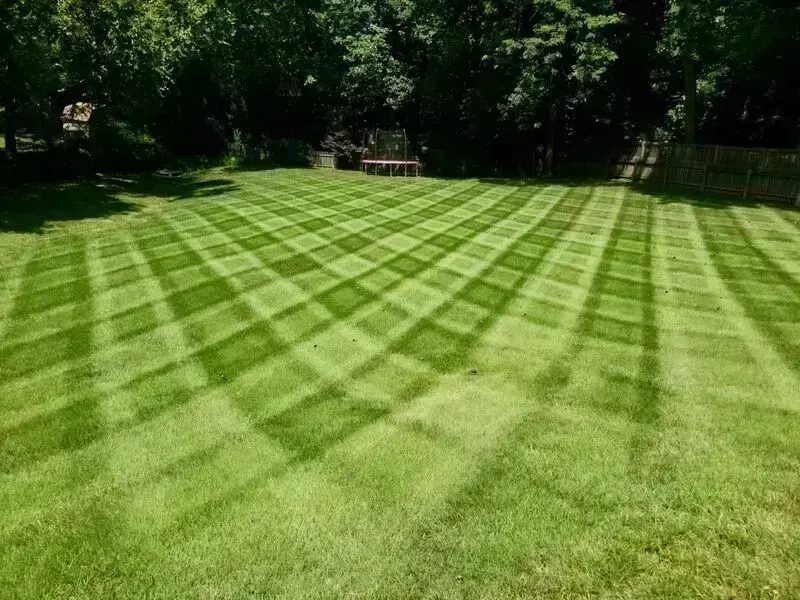
Truly, it doesn't matter if you are paying a lawn fertilizer service, or performing the fertilizing yourself.Either...

It’s time for spring cleaning, and this guide has all you need to get the lush lawn of your dreams.Spring clean up...
Test description
Test description
Test description

Each week, thousands of customers across the U.S. trust our network of professional landscapers. In Hillside, NJ, we evaluate lawn care companies based on five key performance areas: customer satisfaction, service quality, punctuality, job volume, and responsiveness. This approach helps us identify and highlight the top-performing lawn mowing services in the area

Save Time, Save Money, Book a great local landscaping service in Hillside now with GreenPal.

Get the remote control for your lawn
Providers
Connect with us


Get the remote control for your lawn
Total Satisfaction backed by
the GreenPal Guarantee!


