


Share this article
Check out these other Articles

How to Price Leaf Removal: Expert Advice From Lawn Pros
- by
- Gene Caballero
- September 11, 2025

The 8 Best States to Start a Lawn Care Business (According to the Pros)
- by
- Gene Caballero
- August 20, 2025

John Deere Q850R Review: Why the 7-Iron PRO Deck Stands Out in Wet Conditions
- by
- Gene Caballero
- September 17, 2025

Ultimate Guide to 2-Stroke Fuel Mixing for Landscaping Pros
- by
- Gene Caballero
- August 30, 2024

Weekly vs. Biweekly Lawn Service: When Do Pros Make the Switch?
- by
- Gene Caballero
- September 12, 2025

36-Inch Riding Aerator with Seed Box: A Game-Changer for Landscaping Services? | GreenPal Lawn Care Reviews
- by
- Gene Caballero
- November 04, 2023
Subscribe for our latest articles
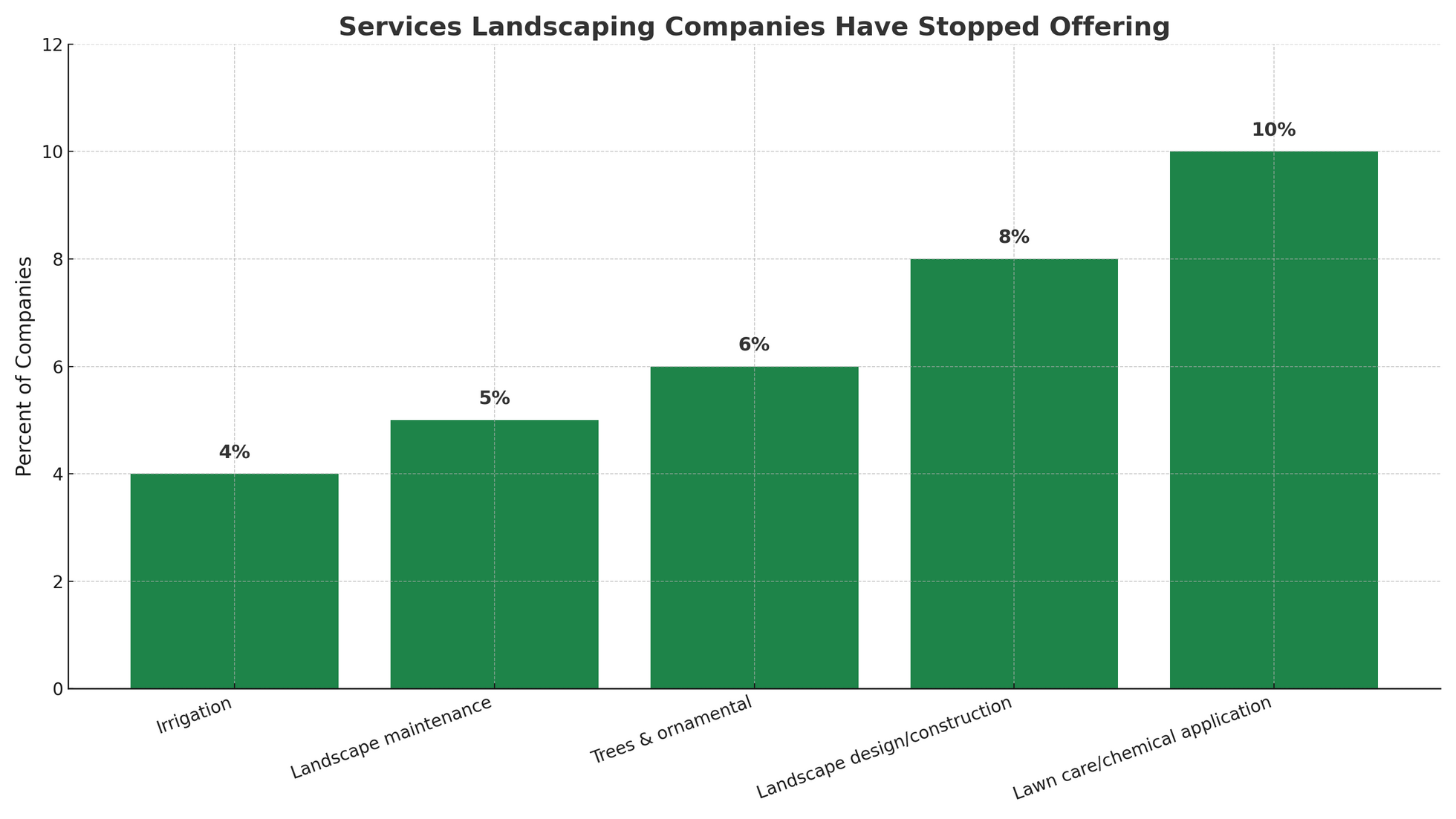
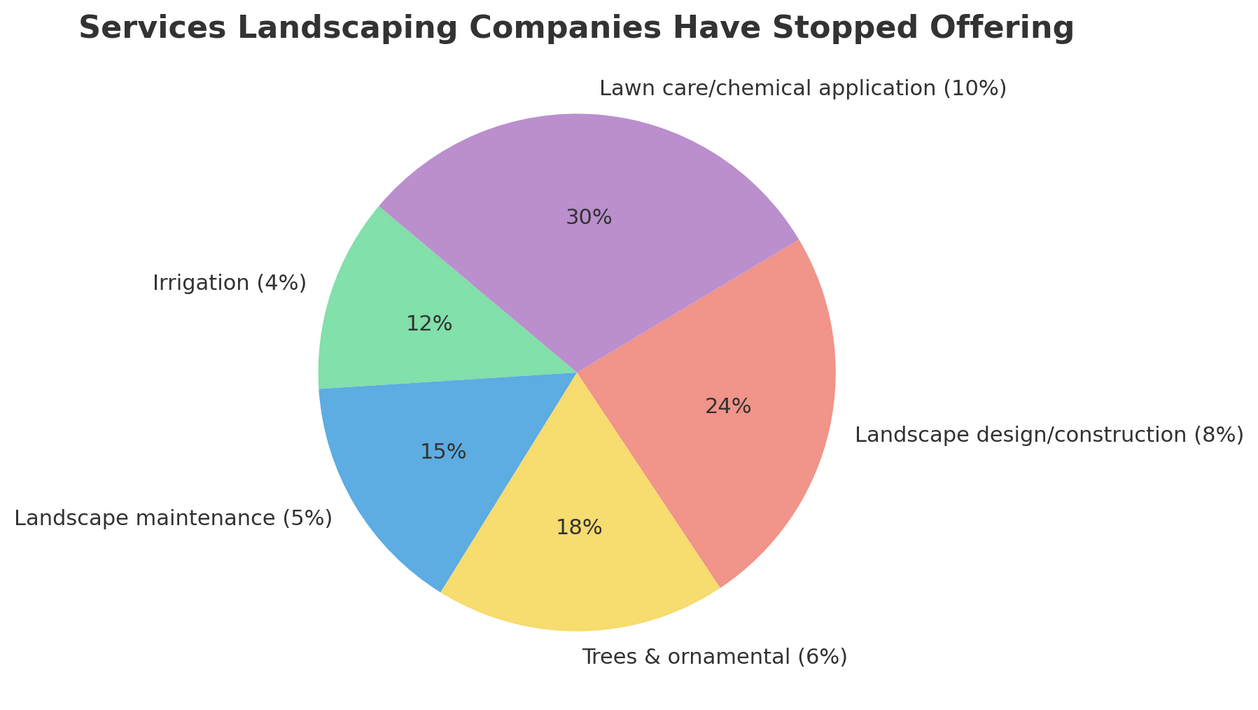
Running a landscaping company means making smart choices about where to spend your time and money. Not every service is worth keeping, and sometimes the best move is to cut the ones that create more headaches than profit. To understand what’s really happening in the industry, we asked landscaping professionals directly which services they’ve stopped offering in the past three years.
The results highlight a clear shift: more companies are moving away from high-risk, high-cost work and focusing on the services that pay off. Here’s what the pros told us and how you can use it to shape your own business.
.png "Residential yard cleanup service")
Lawn Care and Chemical Applications (10%)
The number one service companies stopped offering is lawn care and chemical applications. Ten percent of contractors said they no longer handle fertilizers, pesticides, or herbicides.
Why? Chemicals come with strict licensing rules, constant changes in regulations, and high insurance risks. One mistake could damage a lawn or lead to liability claims. The costs of training and chemical storage add even more burden.
What you can do:
If chemical applications are dragging down profits, consider partnering with a licensed applicator instead of cutting clients off.
Focus your crew on mowing and maintenance, while outsourcing chemical treatments to a trusted partner.
Position yourself as a “management hub” that gives customers a one-stop solution without the liability.
.png "Professional lawn and garden maintenance results")
Landscape Design and Construction (8%)
Second on the list is landscape design and construction, with 8% of companies dropping it. Hardscapes, patios, and big design projects require expensive equipment, skilled workers, and long timelines. Labor shortages make this work even harder to take on.
Why it’s being cut: It’s high risk, high cost, and often has unpredictable profits. A single miscalculation can wipe out margins.
What you can do:
Stick to smaller design add-ons, like garden beds or edging, which are simpler but still profitable.
Partner with specialized contractors for major installs while you handle the ongoing maintenance.
Decide if you want to be a construction company or a maintenance company—trying to be both often spreads resources too thin.
Trees and Ornamental Work (6%)
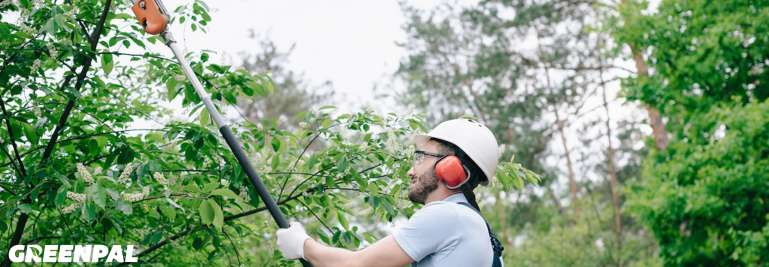
Tree trimming and ornamental care were dropped by 6% of companies. Tree work is dangerous, requires specialized training, and comes with heavy equipment needs. Insurance costs skyrocket for businesses that keep it in-house.
What you can do:
Don’t risk employee safety if you don’t have the right gear or training.
Build relationships with certified arborists in your area. They get referrals, and you keep your customers happy without liability.
If you do stay in the tree business, make sure your team is trained and insured properly—it’s not worth cutting corners here.
Landscape Maintenance (5%)
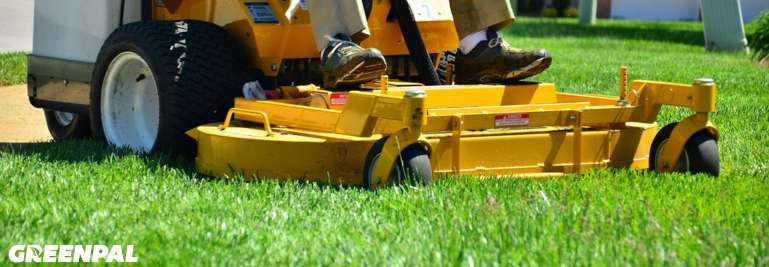
This one might surprise you: 5% of contractors said they stopped offering landscape maintenance. Since this is the backbone of most lawn care companies, why drop it?
For some, it’s about shifting focus. A company might stop small residential maintenance to pursue bigger commercial contracts. Others may cut it if they can’t compete on price against low-cost operators.
What you can do:
Look closely at your maintenance contracts. Which ones are profitable, and which ones are wasting time?
Consider specializing—residential only, commercial only, or premium properties where you can charge more for higher service.
Don’t feel pressured to take every job. Sometimes dropping low-paying accounts makes room for better ones.
Irrigation (4%)
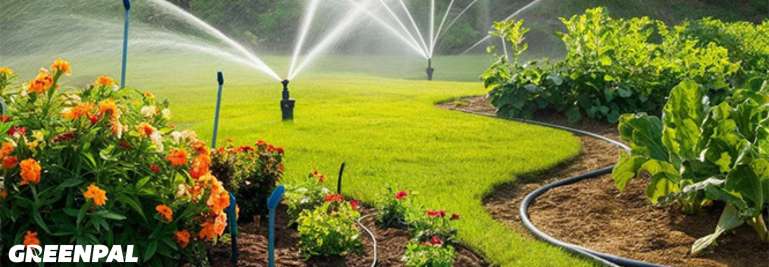
Finally, 4% of companies reported dropping irrigation services. Installing and repairing irrigation systems often requires special licensing, plumbing knowledge, and seasonal demand that can be tough to predict.
What you can do:
If irrigation is too technical, outsource it. Customers are usually happy as long as you provide the connection to someone reliable.
Focus on your strengths, whether that’s mowing, design, or maintenance.
Irrigation can be a nice add-on—but only if you have the skills and staff to handle it efficiently.
Replacement Opportunities
If you've had to drop some service because of crew size, finances, or anything else, here's a look at some options for replacement.
| Dropped Service | Why Dropped | Alternative Option |
|---|---|---|
| Lawn Care / Chemicals | Regulations, liability | Partner with a licensed applicator, or focus on eco-friendly fertilizer programs |
| Landscape Design / Construction | High labor + equipment costs | Offer smaller enhancements like edging, mulch, or bed installs |
| Trees & Ornamental | Safety and insurance risks | Refer to arborists and focus on shrubs/hedges instead |
| Landscape Maintenance | Too competitive, thin margins | Target premium contracts or HOA/commercial accounts |
| Irrigation | Licensing, seasonal demand | Offer smart irrigation timers or partner with irrigation pros |
The Big Picture: Focus Beats Variety
What does this mean for your business? You don’t have to offer every service to succeed. In fact, trying to do it all often leads to burnout, higher costs, and more risk. The most successful lawn care pros pick a few services they can deliver consistently and profitably.
Practical takeaway:
Evaluate your service list once a year.
Ask: does this service bring profit, or does it cause stress?
Cut what doesn’t fit, and double down on what you do best.
Final Thoughts
The data shows a clear trend: landscaping companies are trimming their service lists to stay lean, profitable, and safe. Whether it’s chemicals, construction, or tree work, you don’t need to offer everything.
With GreenPal, you can fill your schedule with the right customers for the services you want to focus on. More accounts, more revenue, and less stress—that’s the kind of growth that lasts.

Get Lawn Care Near You

Check out these other Articles


