


Share this article
Check out these other Articles

How to Price Leaf Removal: Expert Advice From Lawn Pros
- by
- Gene Caballero
- September 11, 2025

John Deere Q850R Review: Why the 7-Iron PRO Deck Stands Out in Wet Conditions
- by
- Gene Caballero
- September 17, 2025

Ultimate Guide to 2-Stroke Fuel Mixing for Landscaping Pros
- by
- Gene Caballero
- August 30, 2024

Weekly vs. Biweekly Lawn Service: When Do Pros Make the Switch?
- by
- Gene Caballero
- September 12, 2025

Why Fescue Lawns Develop Brown Patches (and How Pros Should Respond)
- by
- Gene Caballero
- September 10, 2025

36-Inch Riding Aerator with Seed Box: A Game-Changer for Landscaping Services? | GreenPal Lawn Care Reviews
- by
- Gene Caballero
- November 04, 2023
Subscribe for our latest articles
Choosing the right location can make or break your landscaping business, especially in 2025, when growth trends, housing development, and local climate patterns are shifting how, where, and when work is available. The most successful operators are looking for places with expanding suburbs, reliable demand, and minimal downtime between seasons.
Whether you’re launching your first solo venture or expanding an existing business into a new market, it pays to follow the data and the advice of seasoned professionals. We analyzed dozens of responses from experienced lawn care operators and paired that insight with real-world factors like population growth, season length, and market saturation.
These eight states offer the strongest mix of opportunity and workability for lawn and landscape businesses in 2025.
1. Florida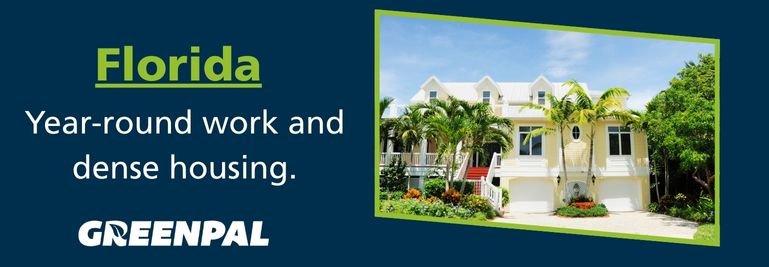
With warm temperatures year-round and constant real estate development, Florida offers the dream scenario: “a lot of time you can find year-round service,” said one pro. Areas like Tampa, Orlando, and Naples are packed with lawns and with competition. Expect to compete on price, especially in the summer heat, but if you can build a loyal base, the work never stops.
Year-round service opportunities with no long off-season
Heavy competition in major metros like Tampa and Orlando
Building a loyal base is key to long-term success
2. Texas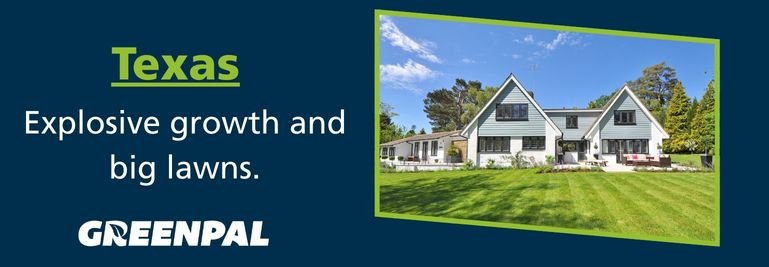
Texas, especially the Dallas area, is booming. “New developments and high-end residential builds are exploding,” one commenter noted. Warm weather means long growing seasons, and sprawling suburbs mean plenty of lawns. Houston, Austin, and San Antonio also offer great potential. Just keep in mind that some regions are dry and rocky, which can limit full-service landscaping. The good news is it opens up some room for landscape projects and renovations.
Booming growth in Dallas, Houston, Austin, and San Antonio
Long growing seasons mean steady mowing demand
Dry, rocky areas create more landscaping and renovation work
3. Ohio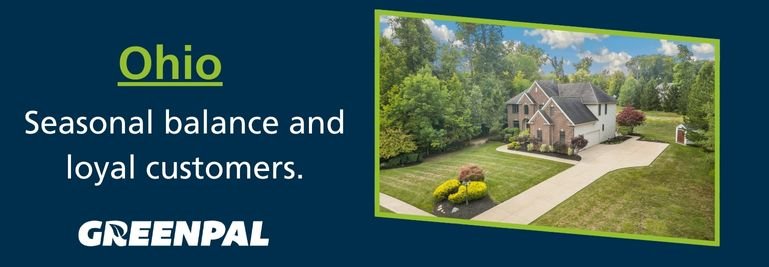
Ohio offers a well-balanced lawn care season, with strong demand for mowing, mulching, and fall cleanups, plus snow removal in the winter for those who want year-round income. Suburbs around Columbus, Cleveland, and Cincinnati continue to grow, creating a steady flow of new customers. One Ohio pro noted, “We get about 30 weeks of mowing, plus landscaping and leaf cleanups, it’s a solid seasonal setup.” If you're comfortable with a break in the deep winter months, Ohio provides reliable, repeat business through the rest of the year,
About 30 weeks of mowing plus mulching and leaf cleanups
Snow removal adds potential for year-round revenue
Growing suburbs in Columbus, Cleveland, and Cincinnati
4. Northern Virginia
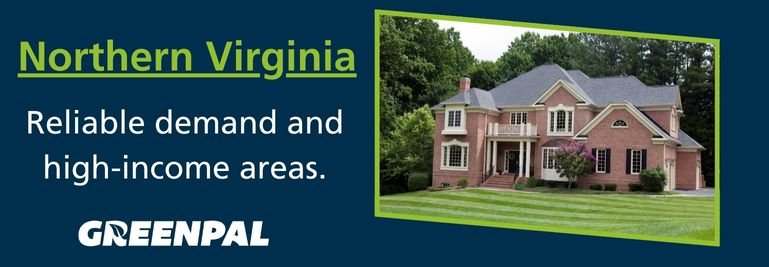
“Government work never runs out,” one pro said of Northern Virginia. Fairfax, Arlington, and Alexandria are strong markets, especially for those with the licenses and professionalism to stand out. While the area is competitive and saturated with unregistered operators, high-income neighborhoods still seek reliable, long-term providers.
High-income areas around Fairfax and Arlington drive demand
Competitive market with unregistered operators
Government work provides steady contracts and reliability
5. Louisiana / Gulf Coast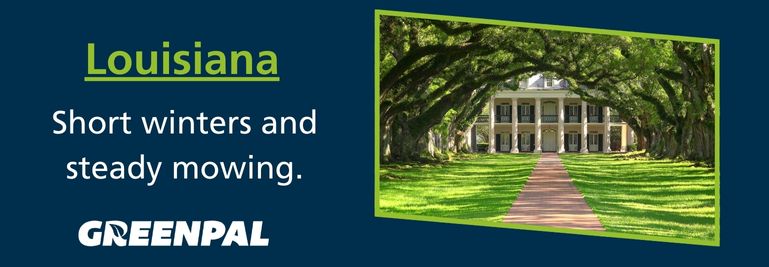
Louisiana is a hidden gem for lawn care professionals seeking year-round work opportunities with fewer competitors. The state’s extremely short winters mean mowing, cleanups, and installs rarely slow down, especially in places like Baton Rouge, Lafayette, and the Northshore suburbs of New Orleans. One veteran pro shared, “I’m in Louisiana. Very short winters.” While the humidity and occasional storms can be challenging, the steady demand and lower saturation compared to neighboring states make Louisiana a strong choice for business growth.
Extremely short winters keep mowing nearly year-round
Lower competition compared to neighboring states
Steady demand in Baton Rouge, Lafayette, and Northshore suburbs
6. Hawaii

Hawaii came up more than expected, and not just for the scenery and climate. Warm temps and upscale clientele mean year-round work with a high-end feel. That said, shipping equipment, sourcing labor, and managing costs are real challenges. If you already live there, though, or plan to move, it can be a strong niche market.
Upscale clientele and year-round climate
High costs for shipping equipment and finding labor
Niche opportunities for established or local operators
7. Mississippi
Mississippi flies under the radar for most new lawn care pros, but that’s exactly what makes it so appealing. Smaller cities and towns across the state offer wide-open lawns, less competition, and affordable living, ideal conditions for a low-overhead startup. With a long warm season and customers who value consistency, it’s a market that’s quietly becoming more attractive. As one contractor put it, “People are just starting to wake up to this.”
Lower competition with affordable cost of living
Long warm season keeps business active
Ideal for small, low-overhead startups
8. North Carolina
North Carolina rounds out our list thanks to its fast population growth and ideal climate. Cities like Raleigh, Charlotte, and Durham are among the fastest-growing metros in the U.S., according to recent Census data. New developments are popping up everywhere, and suburbs like Garner, Zebulon, and Leland offer big potential. Many pros noted the “three-season” work window and fast-expanding neighborhoods as major benefits.
Rapid population growth in Raleigh, Charlotte, and Durham
Strong three-season work cycle for mowing and landscaping
Expanding suburbs provide consistent new customers
FAQ: Starting a Lawn Care Business by State
What state has the longest mowing season?
Florida and Hawaii top the list, with year-round growing conditions. Parts of Texas, Louisiana, and coastal Georgia also have minimal downtime.
What if I want seasonal work only?
The Midwest is a great choice for spring-fall mowing and leaf removal, with optional snow services in winter.
Where is the competition the toughest?
Florida and Northern Virginia are highly competitive—but also full of opportunity. If you provide professional service and show up reliably, you can still stand out.
What’s the easiest state to break into the business?
Smaller southern cities, especially in Alabama, Mississippi, and Louisiana, offer solid demand with fewer barriers to entry and lower costs.
Final Takeaway
If you're serious about building a profitable lawn care business, choosing the right location is half the battle. The best states offer long growing seasons, fast-expanding suburbs, and homeowners willing to pay for quality. Whether you’re chasing year-round work or a strong seasonal schedule, the eight states above have what it takes to grow something great. When you get your business off the ground, apply to be a GreenPal Vendor and start getting more customers.

References: U.S. Census Bureau. Annual Population Estimates, 2024–2025. https://www.census.gov, U.S. Department of Agriculture (USDA). Plant Hardiness Zone Map. https://planthardiness.ars.usda.gov, National Oceanic and Atmospheric Administration (NOAA). Climate Data and Weather Normals. https://www.ncei.noaa.gov.
Get Lawn Care Near You

Check out these other Articles


